How to Decorate a Small Living Room on a Budget
A practical, beginner-friendly guide for real homes and real budgets. No design degree needed — just clear, actionable steps that actually work.
- Start with the Purpose of the Room
- Clear Out What Is Not Helping the Space
- Choose the Right Layout First
- Use Furniture That Fits the Room
- Make the Room Feel Bigger with Color
- Improve Lighting Before Buying More Decor
- Choose the Right Rug Size
- Keep Styling Simple and Intentional
- Add Storage Without Feeling Heavy
- Use Walls Wisely
- Make the Room Feel Personal
- Decorate in Stages
- Budget-Friendly Ideas That Make a Real Difference
- Common Mistakes to Avoid
- A Simple Plan You Can Follow This Week
Decorating a small living room can feel confusing at first. You may want the room to look stylish, comfortable, and welcoming, but limited space and a small budget can make everything feel more difficult. The good news is that a beautiful living room does not depend on a large home or expensive furniture. In most cases, it comes down to smart choices, simple updates, and a clear plan.
If your living room feels crowded, dull, unfinished, or hard to use, you are not alone. Many people live in apartments, rental homes, or compact houses where every piece of furniture matters. A small room can quickly feel messy if the layout is wrong, the colors feel heavy, or the decor is trying to do too much at once.
This guide will walk you through the most important steps for improving a small living room without making the process complicated. You will learn how to think about layout, color, lighting, storage, and styling in a way that makes your room feel bigger, brighter, and more put together.
1. Start with the Purpose of the Room
Before buying decor, moving furniture, or choosing colors, the first step is to understand how the room is supposed to work. Many living rooms feel uncomfortable because they are trying to serve too many purposes without a clear plan.
Ask yourself a few basic questions. Do you mainly use the room for relaxing? Do you watch TV there every day? Do guests sit there often? Do children also use the space? Do you need a corner for reading, working, or extra storage?
Key insight: When you decorate with the function in mind, you stop adding random items and start making better decisions. That alone can save money.
2. Clear Out What Is Not Helping the Space
One of the fastest ways to improve a small living room is to remove what is not working. Small rooms do not give you much margin for error. If the room contains oversized furniture, too many small accessories, or items that do not serve a real purpose, the whole space can feel tighter than it actually is.
This does not mean your room needs to look empty. It simply means everything in it should earn its place. Take a slow look around and ask what is making the room feel crowded.
Even before you buy anything new, a room often looks better after a simple reset. Start by removing anything broken, unnecessary, or visually distracting.
3. Choose the Right Layout First
In a small living room, layout matters more than decoration. Even beautiful furniture can make a room feel awkward if it is arranged poorly.
A common mistake is pushing every piece against the wall and hoping the room will feel larger. Sometimes that works, but not always. In some spaces, floating a sofa slightly away from the wall or creating a clear conversation area actually makes the room feel more balanced.
Try to keep a clear walking path through the room. Avoid placing large pieces where they interrupt movement. Your goal is not to fit as much furniture as possible — your goal is to make the space easy to use.
4. Use Furniture That Fits the Room
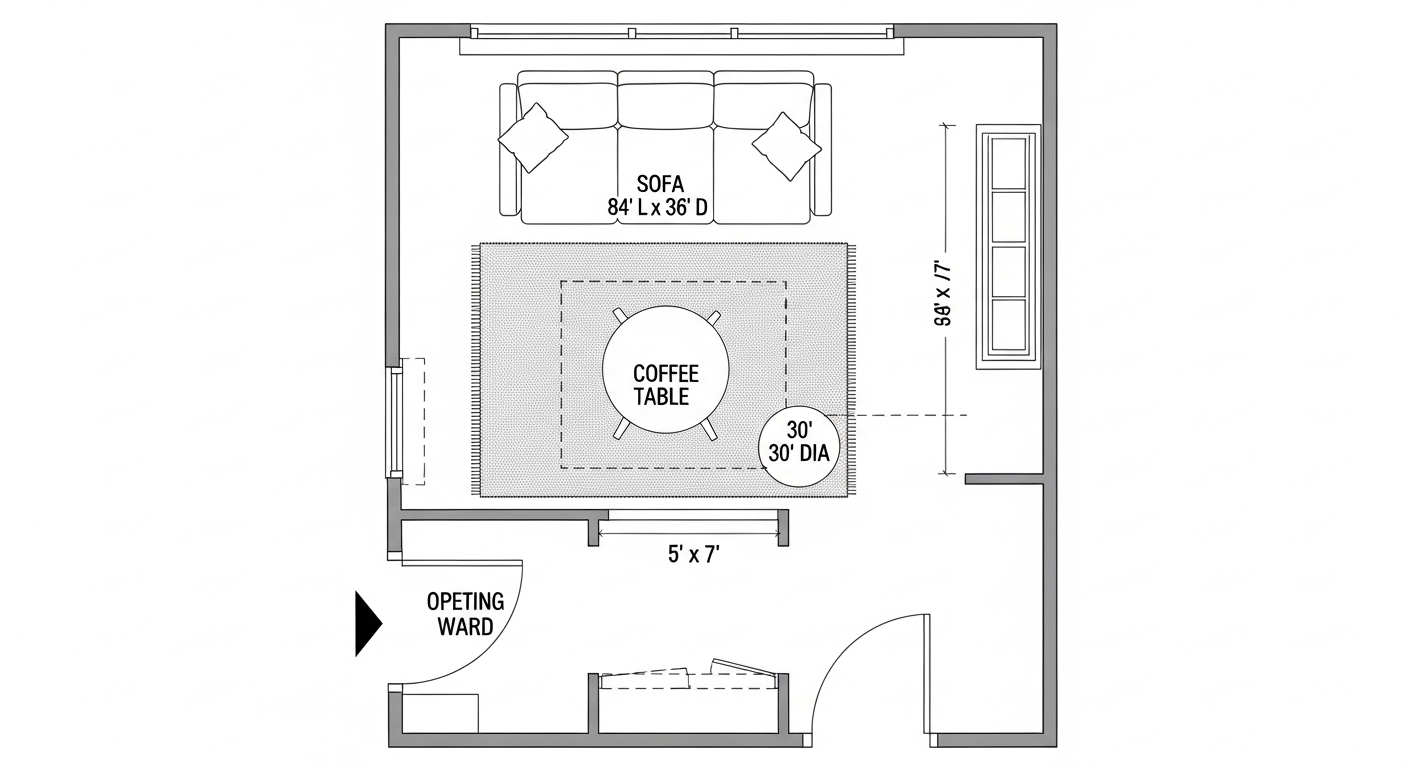
Many small living rooms feel crowded because the furniture is simply too large. Look at the size of your sofa, coffee table, TV stand, side tables, and chairs.
In smaller rooms, furniture with slimmer arms, visible legs, and a lighter visual weight tends to work better. One well-sized sofa is usually better than a large sofa plus multiple extra chairs squeezed into the room. A compact coffee table or nesting tables can do the same job while leaving more breathing space.
Always measure first. It is much cheaper to plan properly than to replace furniture that never fit in the first place.
5. Make the Room Feel Bigger with Color
Color has a strong effect on how spacious a room feels. In small living rooms, light and medium tones often work best because they reflect more light and reduce visual heaviness.
Soft whites, warm beige, greige, light taupe, muted sage, dusty blue, and other gentle neutrals are all strong options. If you like deeper colors, use them in smaller amounts through cushions, art, throws, or one accent piece rather than covering the entire room in dark tones.
If you are unsure, start with a light neutral base and add personality through details. This is one of the safest and most budget-friendly ways to decorate because it gives you flexibility over time.
6. Improve Lighting Before Buying More Decor
Lighting can completely change the mood of a living room. A room with poor lighting often feels smaller, flatter, and less inviting, no matter how nice the furniture is.
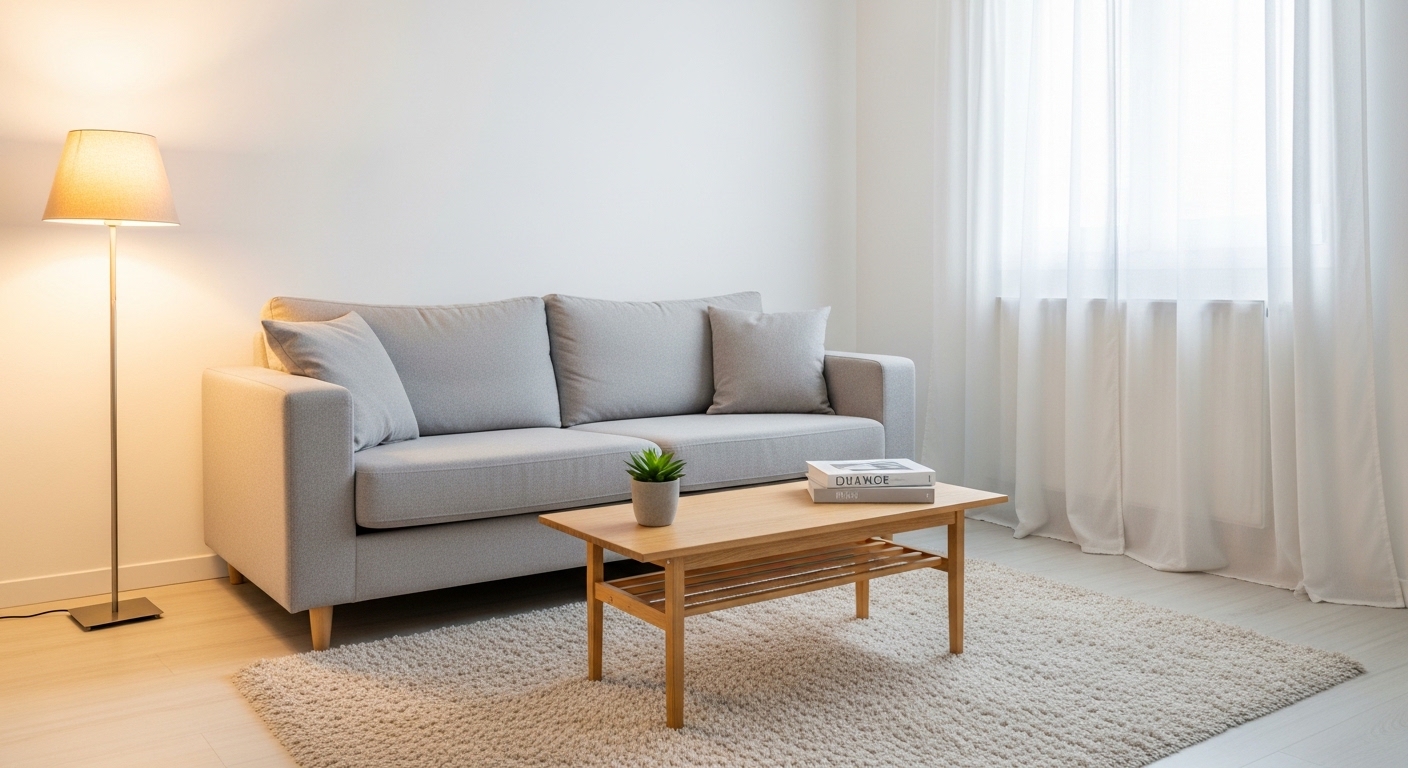
If your space relies on one harsh ceiling light, try to add layered lighting instead. A floor lamp, a table lamp, or warm wall lighting can make the room feel softer and more comfortable. Even one extra light source in a dark corner can make a noticeable difference.
Better lighting is often more effective than buying new decorative pieces. It changes how everything else looks. Clean windows, brighter wall colors, and mirrors can also help bounce light around the room.
7. Choose the Right Rug Size
A rug can pull the whole room together, but the wrong size can make the space feel awkward. In small living rooms, people often choose rugs that are too small because they are trying to save money. Unfortunately, a rug that is too tiny can make the room feel disconnected.
A better approach is to choose a rug large enough to anchor the main seating area. Ideally, at least the front legs of the sofa and chairs should sit on the rug. This helps define the zone and makes the room feel more finished.
8. Keep Styling Simple and Intentional
When decorating a small room, less usually looks better. Instead of filling every surface with small objects, choose a few items that add warmth and personality. A vase, a candle, a stack of books, one framed artwork, or a plant can be enough.
Textiles are also useful for styling without creating clutter. Cushions, throws, and curtains add softness and color while still serving a purpose. Try to leave a little empty space on shelves and tables — visual breathing room makes a small living room feel calmer and more refined.
9. Add Storage in Ways That Do Not Feel Heavy
Look for storage that blends into daily life. A coffee table with storage, a slim TV unit, a storage bench, baskets for blankets, or floating shelves can help you stay organized without overwhelming the room. Closed storage usually works better than open storage if you want the room to look calm and tidy.
If you are in a rental, removable shelving, attractive baskets, and multipurpose furniture are especially helpful. The best storage solutions are the ones that make everyday tidying easier.
10. Use Walls Wisely
When floor space is limited, the walls become more important. Wall decor can add character without taking up room, but it should still be used carefully.
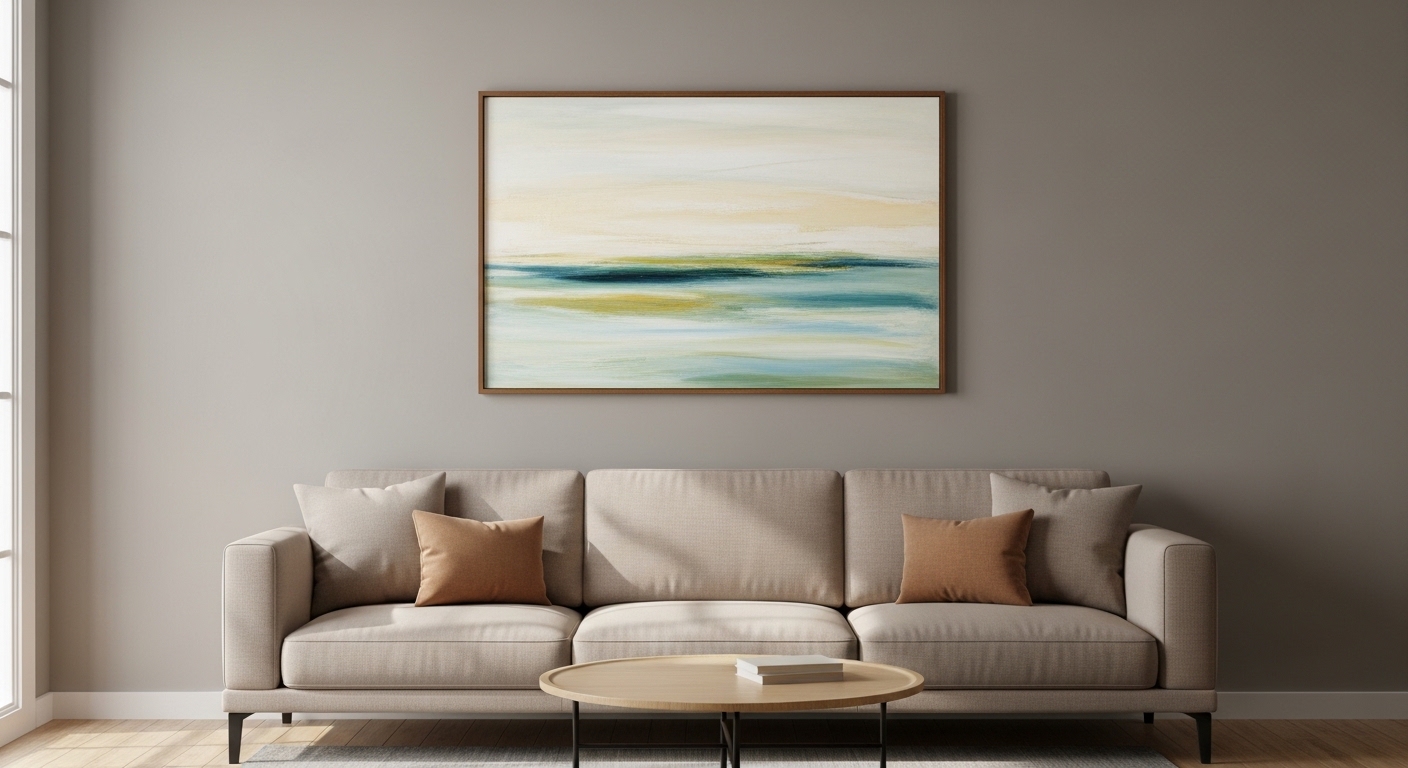
One larger piece of art often works better than many tiny frames. A mirror can help reflect light and create a more open feeling. Floating shelves can hold a few useful or decorative items while keeping the floor clear.
11. Make the Room Feel Personal
A well-decorated room should not just look nice — it should also feel like it belongs to the person living in it. You can do this without spending much money. Display a few books you love, choose colors that make you feel calm, hang art that reflects your taste, or include objects that have meaning.
The key is balance. Personal touches should support the room, not clutter it.
12. Decorate in Stages Instead of Doing Everything at Once
One reason decorating gets expensive is that people feel pressure to finish the whole room immediately. In reality, the best rooms often come together gradually.
Start with the biggest priorities first. Focus on layout, furniture placement, lighting, and clutter. Then improve the room step by step. Add a rug later. Upgrade the curtains when budget allows. Replace one furniture piece at a time instead of rushing into a full makeover.
13. Budget-Friendly Ideas That Make a Real Difference
If you want affordable changes that have strong impact, begin with the updates that offer the most visible improvement for the least money.
Rearrange furniture — Costs nothing and can completely change the room.
Declutter — Also free, and immediately improves how the space feels.
New cushion covers — Affordable update that refreshes the whole sofa.
Better lighting — One new lamp can transform the atmosphere completely.
A mirror — Reflects light and makes the room feel larger instantly.
One or two plants — Adds life, color, and warmth without big spend.
Simple rug + curtains — Affordable upgrades that make the room look polished.
Fresh wall paint — If allowed, a new color can brighten the entire room.
14. Common Mistakes to Avoid in a Small Living Room
Choosing furniture before planning the layout — Always plan the arrangement first.
Too many small decorative items — Creates visual clutter and makes the room feel smaller.
Heavy curtains or overly dark colors — Can make a small room feel tight and dim.
Poor lighting — No amount of nice furniture fixes a badly lit room.
Rugs that are too small — Makes seating areas look disconnected and unfinished.
Oversized sofa — Dominates the room and leaves no breathing space.
Following every trend at once — A small room looks best when the design feels simple and consistent.
15. A Simple Plan You Can Follow This Week
If you are not sure where to begin, use this easy 7-day plan:
Clear out visible clutter and remove anything that does not belong in the room.
Rethink the furniture layout and create a clear walking path through the space.
Review lighting and add one softer light source if possible.
Simplify styling and keep only a few useful decor pieces on surfaces.
Look at the walls and decide whether the room needs art, a mirror, or nothing at all.
Assess storage and make small improvements to reduce visible clutter.
Step back and decide what the room still needs before buying anything else.
Final Thoughts
A small living room does not have to feel limited. With the right choices, it can feel warm, stylish, practical, and comfortable. You do not need a huge budget, a large house, or professional training to make your space better. What matters most is understanding the room, using the space wisely, and choosing updates that genuinely improve how the room looks and functions.
If you keep the layout clear, the colors balanced, the lighting soft, and the styling simple, even a small living room can feel beautifully finished. Start with what you already have, improve one thing at a time, and let the room evolve naturally.
Good decorating is not about perfection. It is about creating a home that works for your real life.
Found This Guide Helpful?
Explore more practical home decor ideas for small spaces, rentals, and budget-friendly living rooms on Homedecore.