
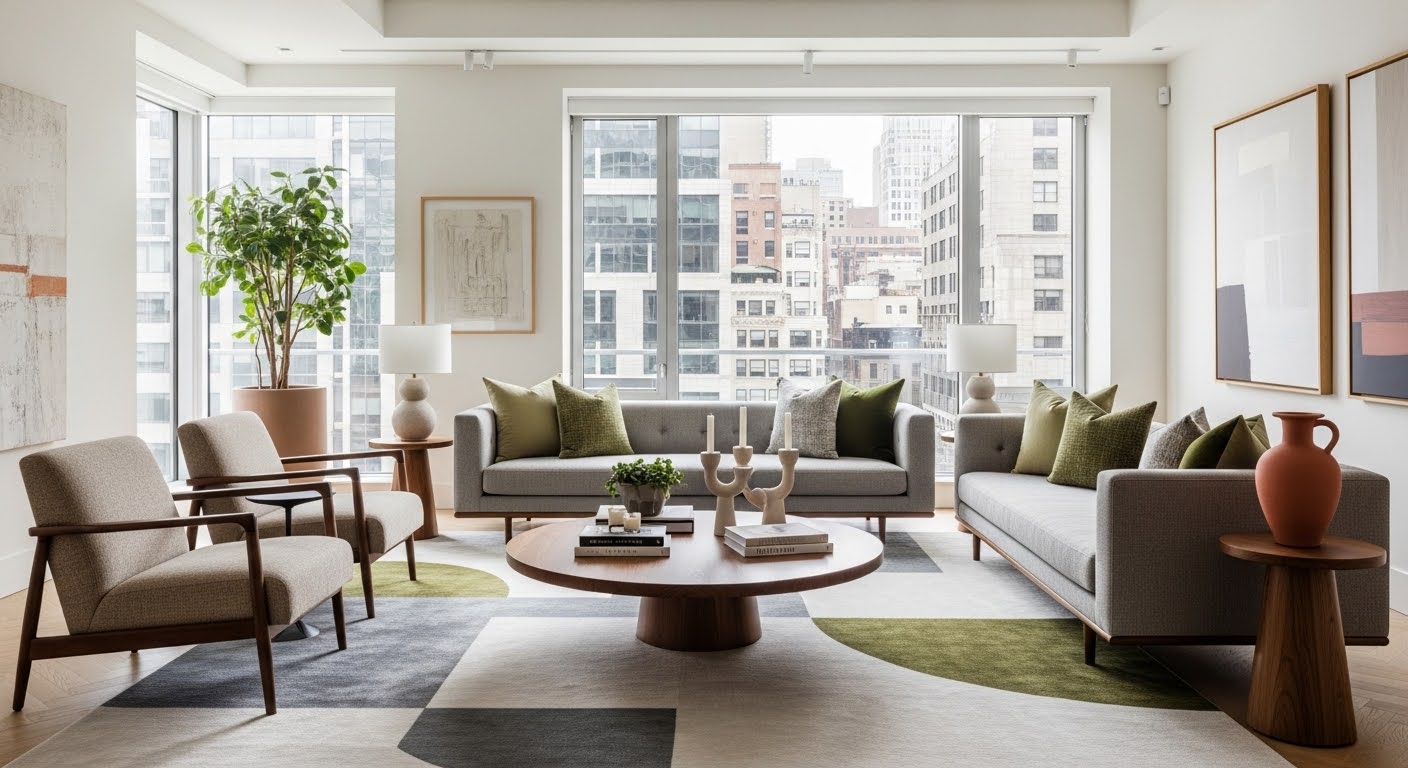
Contemporary Living Room Ideas: What’s Trending Now
You open Instagram or scroll through a design blog, and suddenly you’re drowning in ideas. Exposed concrete walls. Sculptural furniture that probably costs more than your rent. Rooms so pristine they look like nobody actually lives there. If that’s your version of searching for contemporary living room ideas, I get it — it can feel completely out of reach.
Here’s the thing though: contemporary style is one of the most forgiving and accessible aesthetics out there, especially if you’re working with a smaller apartment or a tighter budget. It’s not about having a bigger space. It’s about making intentional choices — and that’s something anyone can do.
In this guide, you’ll find the current living room trends that are genuinely worth your attention, a clear explanation of what contemporary actually means, and practical advice on how to bring it all together without ripping your room apart. Let’s get into it.
Quick Summary
WHO THIS IS FOR
Modern design enthusiasts, clean-line lovers, and anyone refreshing their space on a realistic budget
TIME TO READ
6 min
TOP 3 TAKAWAYS
1. Contemporary vs Modern: The Difference
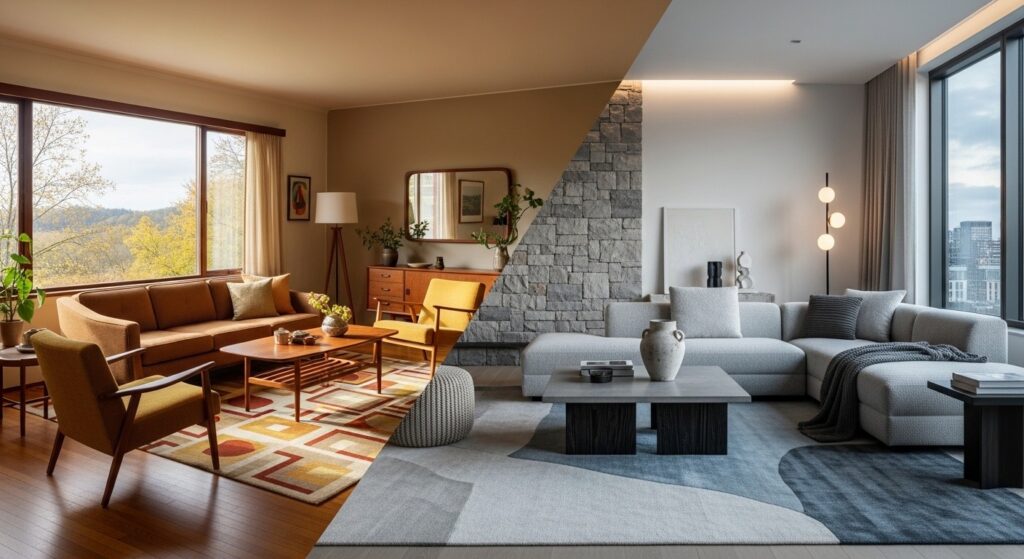
People use these words interchangeably all the time, but they mean genuinely different things. Modern design is a fixed movement — it refers to a specific aesthetic that peaked roughly between the 1950s and 1970s, characterized by warm woods, clean lines, and those iconic organic shapes you see in vintage Scandinavian furniture. Contemporary design, on the other hand, is a moving target. It means what’s happening right now.
That distinction matters more than you’d think, because it means contemporary style isn’t locked into a rigid rulebook. It borrows freely from other aesthetics, it evolves as tastes shift, and it reflects the cultural moment we’re living in. If something feels fresh and purposeful today, it probably qualifies.
What you’ll notice across most contemporary living room ideas is a shared sensibility: clean silhouettes, a pared-back color palette, and a preference for texture over busy pattern. Furniture tends to sit lower to the ground, rooms feel intentionally uncluttered, and there’s a strong sense that every object has earned its place.
Key distinctions at a glance:
- Contemporary = current, evolving, of-the-moment
- Modern = a fixed design period rooted in the mid-20th century
- Both value clean lines, but contemporary adds today’s materials and mood
- You can absolutely blend both — most stylish rooms already do
2. Current Trends Worth Following
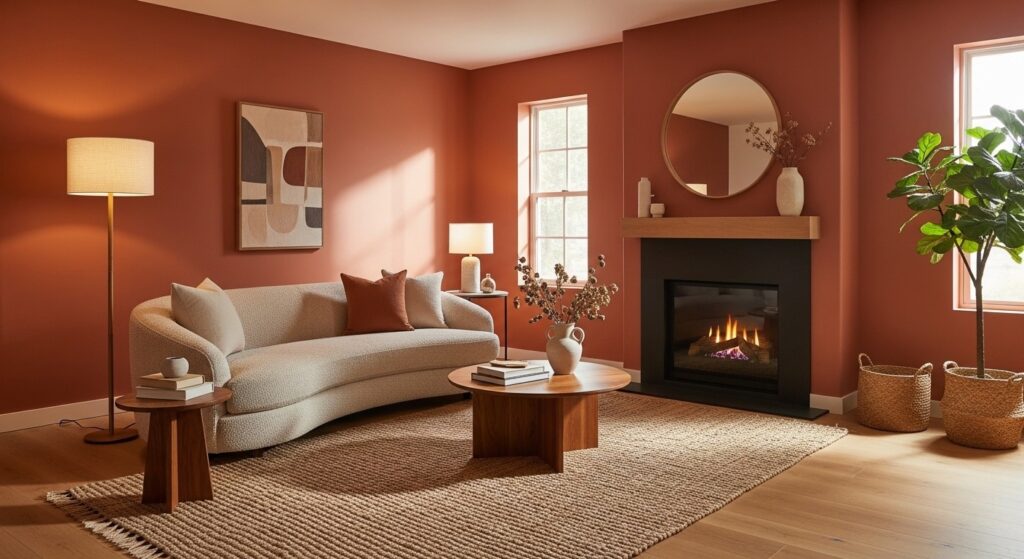
If you’ve been paying attention to living room trends over the past year or so, one thing stands out immediately: warmth is back. The cool, blue-toned greys that defined so many interiors through the 2010s are fading out, replaced by earthy terracottas, dusty clayes, and warm sandy beiges that feel grounded and genuinely liveable. It’s a shift that’s easy to incorporate even on a small budget — a new throw, a couple of cushions, a lick of paint.
Lighting is another area where things have changed dramatically. The old approach of one ceiling light doing all the work is firmly out. Layered lighting — combining a floor lamp, a table lamp, maybe a wall sconce or two — creates warmth and depth that overhead lighting simply can’t replicate. It also gives you flexibility; bright and functional in the morning, softer and more atmospheric in the evening.
And curved furniture is everywhere right now, for good reason. Rounded arms on sofas, oval coffee tables, arched shelving — they all soften a room and make it feel more inviting. If your current space feels a bit hard-edged or formal, swapping in even one curved piece can shift the whole mood.
Trends genuinely worth your attention:
- Warm earthy tones taking over from cool greys and stark whites
- Layered lighting setups — floor lamps, table lamps, sconces working together
- Curved and rounded furniture silhouettes (sofas, tables, shelving)
- Rich textural contrast — boucle, linen, natural wood, woven rattan
- Statement ceilings treated with bold paint, textured wallpaper, or exposed beams
3. Flexible and Evolving Style
Here’s something that takes a lot of pressure off: contemporary design doesn’t ask you to get everything right at once. The whole aesthetic is built around the idea of evolving — of reflecting what feels current and relevant at this particular moment. That means your room can grow and change as your taste develops, and that’s not a flaw in the plan. That is the plan.
A practical approach is to identify two or three anchor pieces that you genuinely love — a great sofa, a standout rug, a piece of art that excites you — and build outward from there, slowly and deliberately. Accessories can be swapped in and out as your confidence grows. You’re not locked into anything.
“One great piece beats five mediocre ones every single time.”
For anyone living in a small apartment, this is particularly reassuring. You don’t need a complete furniture set to make a contemporary room look cohesive. A handful of well-chosen pieces, given room to breathe, will always feel more intentional than a space that’s been packed to capacity with things that don’t quite work together.
4. Mixing Different Eras
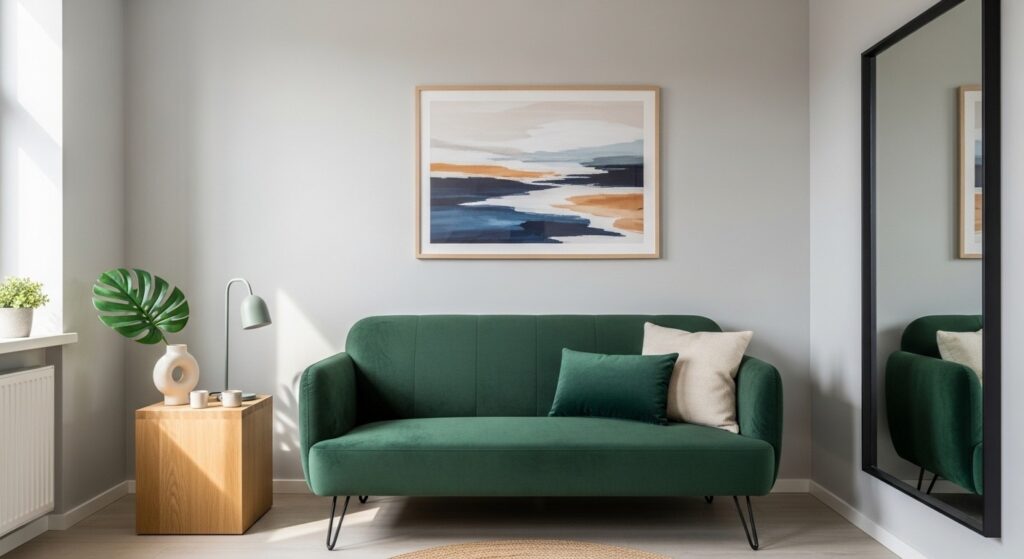
One of the most common misconceptions about contemporary style is that it requires a clean sweep — that you have to get rid of everything you already own and start from scratch. That’s not true at all, and honestly, the most interesting rooms almost never look like they were assembled in one go. A worn vintage side table next to a sleek contemporary sofa? That kind of contrast is exactly what makes a space feel curated and personal rather than showroom-generic.
The trick to mixing eras well is finding a common thread that ties everything together. It might be a color that repeats across the room, a material like brass or natural linen that appears in several places, or simply a consistent sense of scale so nothing feels out of place. When pieces share at least one visual element, they coexist naturally.
That heirloom lamp from your grandmother or the flea-market chair you’ve had for years? Keep them. Rooms with a bit of history feel warmer and more personal — and warmth is very much where living room trends are heading right now.
How to mix eras without chaos:
- Choose a unifying thread: shared color, material, or sense of scale
- Pair vintage or antique accents with contemporary anchor pieces
- Let one era dominate — a rough 70/30 split tends to work well
- Personal, sentimental pieces add warmth that no new purchase can replicate
5. Bold Choices That Work
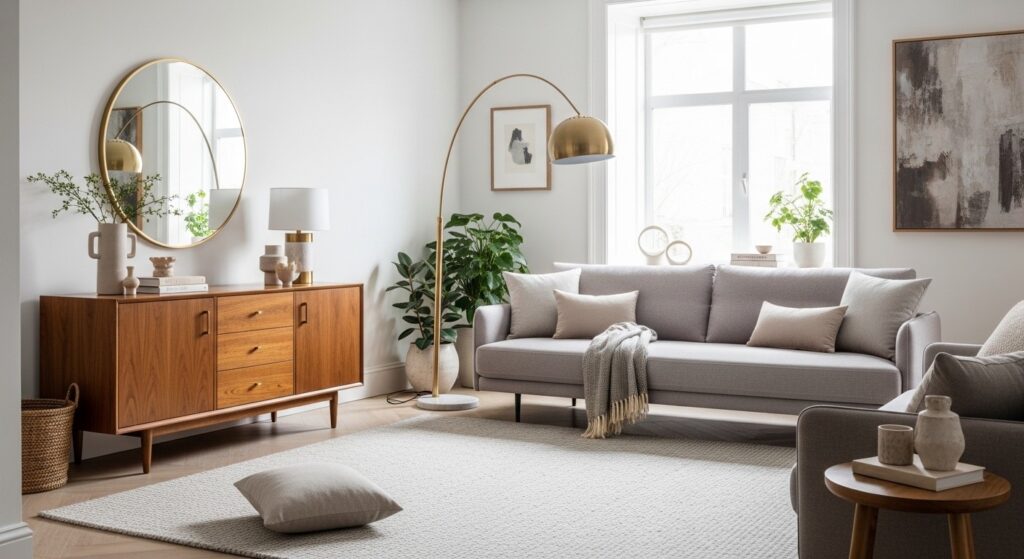
Contemporary doesn’t mean cautious. Some of the most successful living room ideas 2025 has produced come from a single brave decision: a richly colored accent wall, a dramatically oversized pendant light, or a sofa in a shade you’d normally talk yourself out of. The approach works because it concentrates visual interest in one place rather than diluting it across the whole room.
A deep accent wall — forest green, navy, plum, or a warm terracotta — can completely anchor a space without any furniture changes at all. You pair it with neutral pieces and let the wall do the work. Or try a large piece of art hung slightly lower than you’d expect, just off-center. It looks considered, not accidental.
If committing to color feels like too much of a leap right now, texture is your friend. A fluted wooden TV unit, a sofa in ribbed velvet, or curtains that pool slightly at the floor — these all add drama and sophistication without requiring you to repaint anything next year.
Bold moves that consistently pay off:
- One statement per room — concentrate the drama, don’t scatter it
- Deep accent walls in green, navy, plum, or terracotta ground a whole space
- Oversized pendant lights create instant focal points and add height
- Floor-to-ceiling curtains make any room feel significantly taller
6. Sustainable Contemporary Design
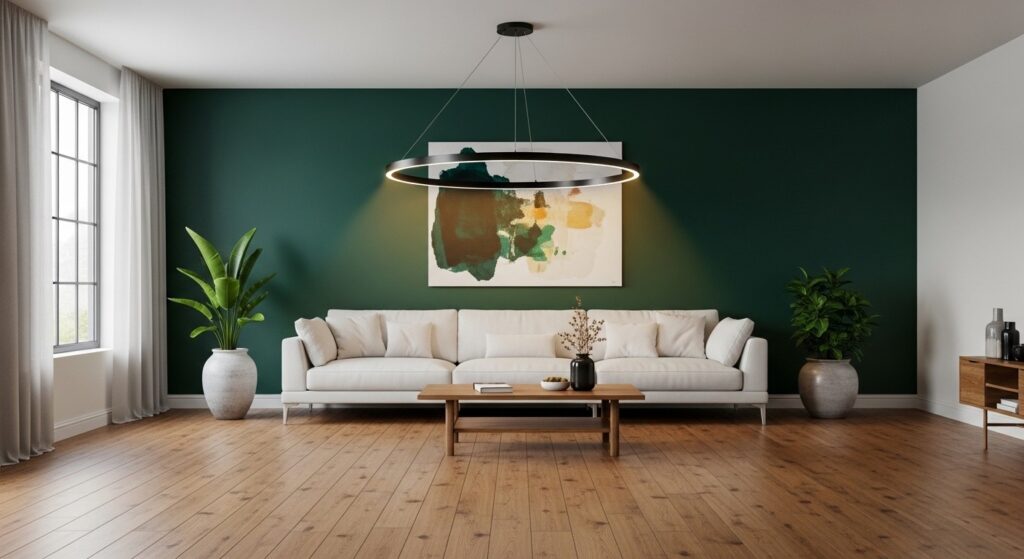
Sustainability has stopped being a trend and started being a baseline expectation in good design. Contemporary living room ideas in 2025 consistently lean toward natural, long-lasting materials: solid wood, stone, linen, rattan, and recycled glass. These materials carry an authenticity that manufactured alternatives struggle to replicate, and they age well — which matters a lot if you’re trying to build a room that actually lasts.
Beyond material choices, sustainable design also means rethinking how you shop. Buying one well-made piece instead of three that will wear out quickly isn’t just better for the environment — it’s better design. A solid wood coffee table or a quality upholstered sofa will look significantly better in five years than budget alternatives bought today.
Secondhand and vintage shopping also fits naturally into this aesthetic. Pre-loved furniture often has the craftsmanship and patina that flat-pack pieces simply can’t match. You save money, avoid unnecessary waste, and end up with the layered, collected feel that defines the most inspiring trendy living room decor right now.
Simple sustainable swaps to consider:
- Choose natural materials: solid wood, stone, linen, rattan over synthetic alternatives
- Buy fewer things, but choose better quality when you do
- Explore secondhand shops and vintage markets for character and craftsmanship
- Prioritize timeless silhouettes over pieces designed around a specific moment
7. Making It Your Own
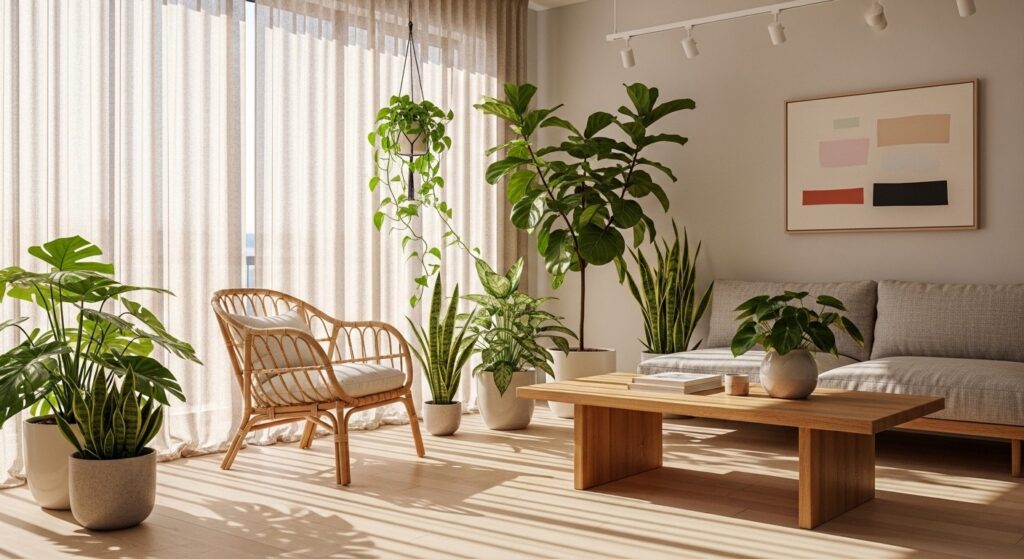
No mood board — no matter how carefully assembled — should override your own instincts about what feels like home. The best contemporary rooms feel personal. They have things in them that matter to the people who live there: a wall of framed photographs from places you’ve actually been, a stack of books you’ve genuinely read, a plant you’ve managed to keep alive long enough that it’s started to feel like a member of the household.
Think, too, about how you actually use your living room. If you regularly have friends over, flexible seating arrangements and enough room to move around comfortably should shape your decisions. If you work from home, a well-lit corner with a small desk or a reading chair might be exactly what makes the room feel right for your life. Contemporary design works best when it’s practical — and practical rooms are always the most beautiful ones to spend time in.
And honestly? Your room doesn’t need to be finished to be lovely. The pressure to have everything sorted and styled and perfectly photographable is a modern invention, and it’s worth resisting. Some of the most comfortable, inviting living rooms are the ones that are still in progress — because they’re being shaped by the people who actually live there.
Common Mistakes to Avoid
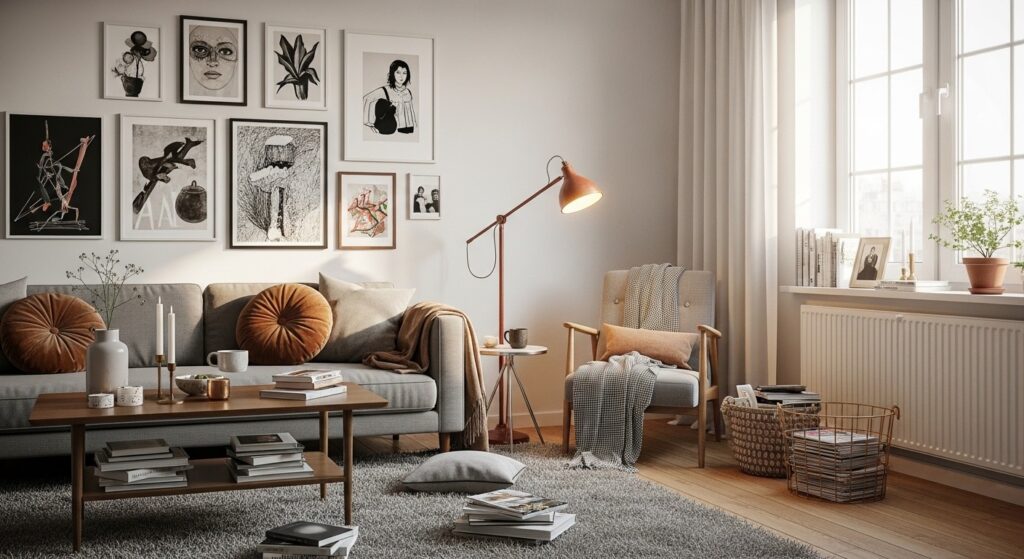
Even when you know what you’re going for, a few predictable mistakes can make a refresh feel off. Here are the four most common ones — and how to sidestep them.
| ⚠️ WATCH OUT FOR THESENot measuring first. It sounds obvious, but falling for a sofa online and discovering it blocks your front door is a rite of passage nobody needs. Measure your room, your doorways, and your traffic paths before you buy a single large piece.Ignoring what’s already there. Your flooring, window frames, and any built-in elements are part of your design whether you like it or not. Planning around them — rather than pretending they don’t exist — saves a lot of headaches later.Chasing trends instead of your own style. Trends are useful starting points, not blueprints. A room built entirely around what’s popular right now will feel dated faster than one built around what you genuinely love.Skipping the planning phase. A simple mood board — even just a folder of saved images — takes thirty minutes and saves you from returning half your purchases. Get your palette, priorities, and rough budget down on paper before anything goes in the cart. |
Frequently Asked Questions
| Q1: WHAT’S THE MOST IMPORTANT ELEMENT TO FOCUS ON FIRST?Start with seating. Your sofa anchors the entire room — it takes up the most visual space, it sets the tone for scale and color, and every other decision flows from it. Choose a sofa in a quality fabric and a neutral or versatile tone, and suddenly your rug, your lighting, your cushions all become much easier decisions to make. Think of it like laying the foundation before building anything else. |
| Q2: HOW DO I START WITHOUT FEELING OVERWHELMED?The mood board is your friend here — even a simple collection of screenshots saved to your phone counts. Look for patterns in what you keep being drawn to: certain colors, textures, or shapes that keep showing up. That’s your style trying to tell you something. Once you have a rough direction, pick one corner of the room and change just that. A small, visible win gives you momentum to keep going. |
| Q3: WHAT DOES A REALISTIC BUDGET LOOK LIKE?It really depends on where you’re starting from. A meaningful refresh — a new rug, some better lighting, fresh cushions and a few accessories — can transform a room for a few hundred dollars or even less if you shop secondhand. A full furniture overhaul with quality pieces will typically cost significantly more. The good news is that contemporary style genuinely rewards restraint: fewer, better things almost always look more considered than a room stuffed with budget alternatives. |
| Q4: HOW LONG DOES IT ACTUALLY TAKE TO PULL A ROOM TOGETHER?Be honest with yourself and plan for weeks to months, not a single weekend. Good furniture has lead times — sometimes four to eight weeks for delivery alone. And rushing purchase decisions is the single biggest cause of buyer’s remorse in home decor. Give yourself permission to wait for the right piece. The rooms that look the most effortless are almost always the ones that took the longest to finish. |
Your Contemporary Living Room Is Closer Than You Think
You don’t need a designer on speed dial, a magazine-worthy apartment, or a budget that makes you nervous. What contemporary living room ideas actually require is intention — a clear sense of what you want the space to feel like, a plan for how to get there, and the patience to make decisions you’ll actually stand behind long-term. You’ve got all of that.
Start with one thing. Change one corner, find one piece you genuinely love, get the measurements right before you buy anything. The room will come together — slowly, imperfectly, and more beautifully for it.
| Ready to Go Further?Explore our companion guide packed with layout tips, palette breakdowns, and room-by-room advice for every home size.→ Read: Mid-Century Modern Living Room Ideas |