Sofa Ideas for Small Living Rooms: Finding the Perfect Fit
Picture this: you finally find a sofa you love online. The color is exactly right, the proportions look great in the photos, and you can already imagine curling up on it after a long day. It arrives. And it swallows your living room whole. If you’ve been there — or you’re terrified of ending up there — you’re in good company. Shopping for a sofa when you’re working with limited square footage is genuinely tricky, and the stakes feel high because a wrong choice is hard to overlook.
The thing is, living in a small apartment or a compact home doesn’t mean you have to settle for less. It means you have to shop smarter. There are real, specific strategies that make a huge difference, and most of them cost nothing but a little planning time. A room under 300 square feet can feel every bit as comfortable and inviting as a sprawling open-plan living space — it just requires a different approach.
In this guide, you’ll learn how to measure your room the right way before you ever open a browser tab, what ‘apartment size’ actually means in sofa terms, which style choices open up a tight room versus close it down, and how to use color and fabric to your advantage. By the end, you’ll have a clear game plan. Let’s dig in.
Quick Summary
WHO THIS IS FOR
Apartment renters, first-time homeowners, and small-space dwellers
TIME TO READ
6 min
TOP 3 TAKAWAYS
1. Measure Before You Shop
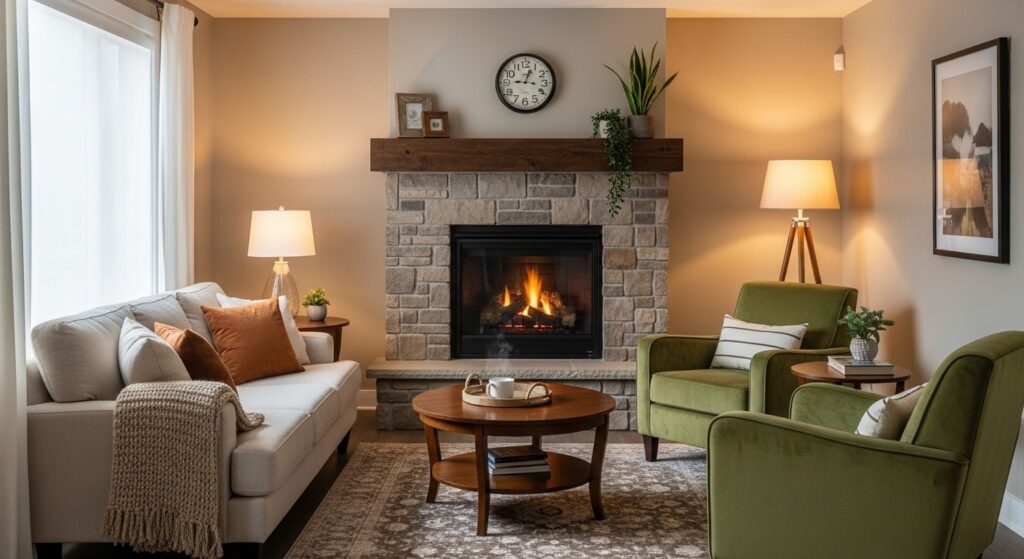
Grab a tape measure before you do anything else. Seriously — before you open a single tab. Measure your room’s length and width, then think through where the sofa will actually sit. Write down the distance from that spot to the nearest wall, to where the coffee table would go, and to the main walkways through the room. A good rule of thumb is to leave around 18 inches between your sofa and your coffee table, and at least 30 inches for any walking path. Those numbers matter more than you’d think once the furniture is actually in the room.
Here’s one that trips up a lot of people: measure the route the sofa needs to take to get into your home. Your front door, any hallway corners, a stairwell if you’re above the ground floor. A sofa that physically cannot enter your apartment is a nightmare to deal with. Measure twice, order once.
One trick that’s become a staple for small-space decorators: use painter’s tape to outline the sofa’s footprint on your floor before you buy. It takes about five minutes and it’s genuinely eye-opening. Something about seeing the actual rectangle on your floor — rather than imagining it — tells you immediately whether a piece is going to work.
Keep these numbers in mind:
- Measure room length, width, and ceiling height
- Check doorway, hallway, and stairwell dimensions for delivery
- Leave 18–24 inches between sofa and coffee table
- Allow at least 30 inches for main walking paths
- Mock up the footprint with painter’s tape first
2. Apartment-Size Sofas Explained
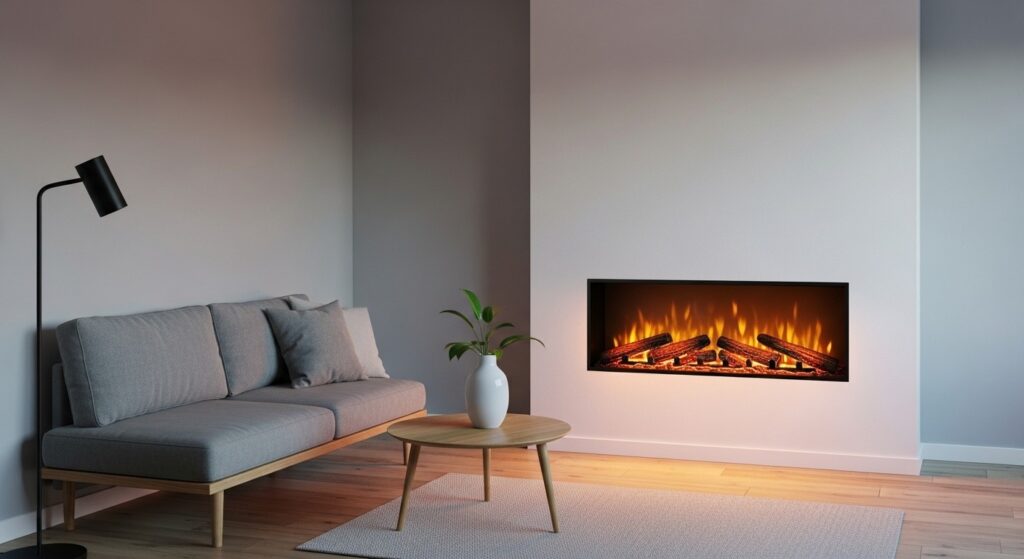
The phrase ‘apartment size couches’ gets used a lot in furniture marketing, but it’s worth understanding what it actually means in practice. Apartment-size sofas typically run between 70 and 85 inches wide. Standard sofas, the kind you’ll find on most showroom floors, tend to be 86 to 96 inches. That 10 to 15 inch difference sounds modest until you’re trying to fit one into a 12-by-14-foot living room — then it’s everything.
Seat depth is the other number to watch. Standard sofas usually have a seat depth of 24 to 26 inches. Small scale sofas trim that down to around 20 to 22 inches. A shallower seat keeps the overall footprint lighter and lets the room breathe a bit more. It also tends to work better if you’re on the shorter side — deeper seats can leave your feet dangling.
When you search online, use terms like ‘compact sofa,’ ‘small scale sofa,’ or ‘apartment sofa’ to filter results to furniture that was actually designed with your situation in mind. You’ll cut through a lot of noise and stop wasting time on options that were never going to fit.
At a glance:
- Apartment-size sofas: 70–85 inches wide
- Standard sofas: 86–96 inches wide
- Aim for seat depth under 22 inches for a lighter footprint
- Lower arm height keeps the visual profile compact
3. Loveseat vs Full Sofa
This is one of those decisions that feels bigger than it is, but it really comes down to how you actually use your living room — not how you imagine you might use it someday. A loveseat (typically 52 to 65 inches wide) is a genuinely great option for studio apartments or any room where a full sofa would dominate the space. If you usually have one or two people sitting down at any given time, a loveseat gives you all the comfort you need without the bulk.
A full apartment-size sofa makes more sense if you like to stretch out to read or watch TV, or if you have people over a few times a month and want proper seating for three or four. The key is honesty with yourself. If you’ve never hosted more than two people at once, don’t buy a sofa sized for six on the off chance it might happen.
One option that works beautifully in tight rooms: a loveseat paired with a single accent chair. You get flexible seating for three, and the two-piece arrangement actually gives you more layout options than a single sofa would. You can angle the chair, open up the center of the room, and create a cozy conversation setup that feels completely intentional.
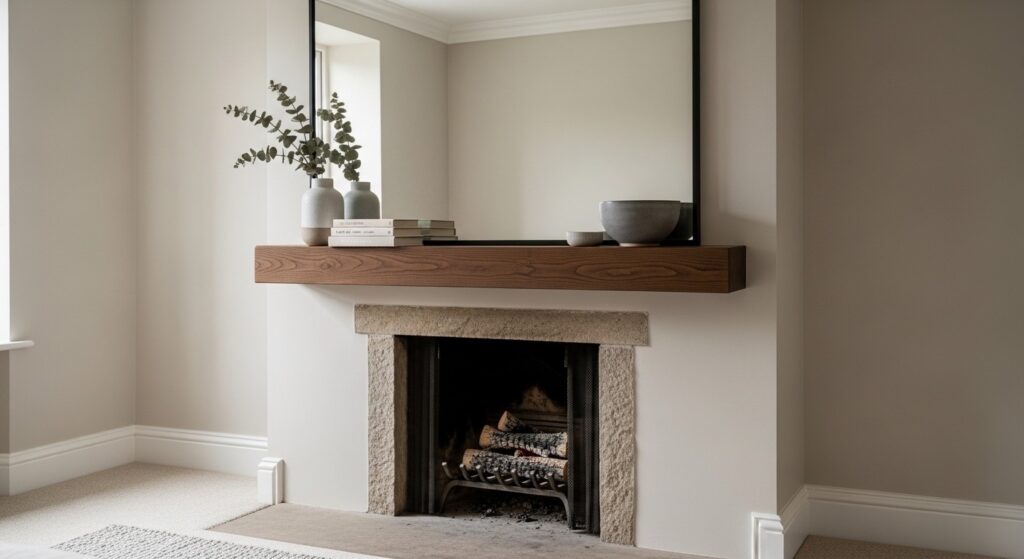
4. Sectionals for Small Spaces
Here’s one that surprises a lot of people: a sectional can actually work really well in a small room. The trick is using the configuration to your advantage rather than fighting against it. A compact L-shaped sectional placed in the corner does the job of both a sofa and a separate seating piece without occupying the floor space that two separate pieces would require. You end up with more seating and less clutter.
Look for sectionals labeled ‘apartment sectional’ or ‘small space sectional,’ with the longest side staying under 100 inches. Reversible chaise sectionals are especially practical for tight quarters — you can flip the chaise to whichever side fits your particular room layout, and some models separate entirely so you can reconfigure as your space or needs change.
When you’re browsing, stick to sectionals with clean straight lines and low-profile arms. Bulky rounded corners or overstuffed cushions absorb floor space visually in a way that’s hard to compensate for. Clean geometry reads as smaller, even when the actual dimensions are similar.
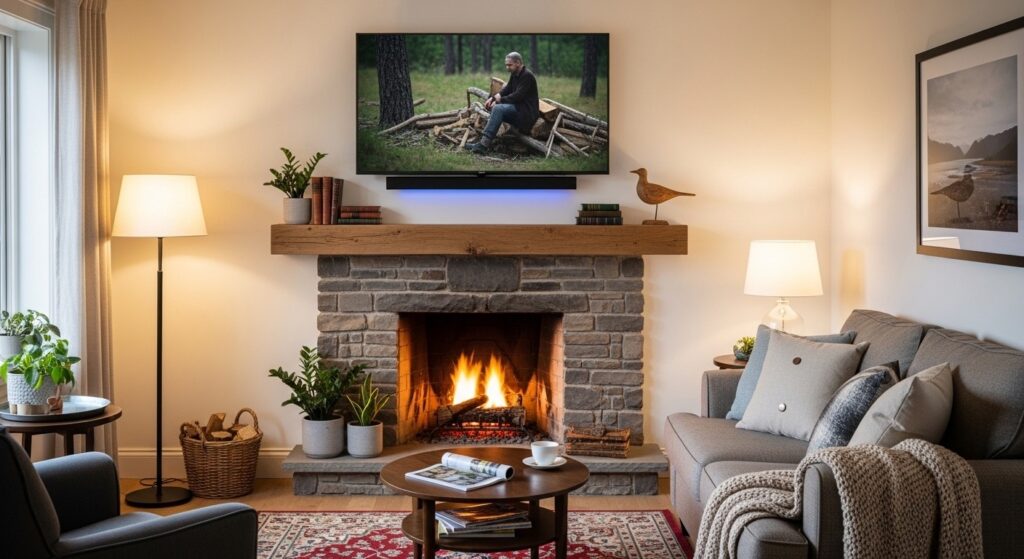
What to look for:
- Reversible chaise gives you layout flexibility
- Keep the longest side under 100 inches
- Tuck into a corner to free up center floor space
- Straight arms and clean lines reduce visual weight
5. Sleeper Sofas Worth Considering
If your living room needs to pull double duty as a guest room, a sleeper sofa is one of the smartest investments you can make in a small apartment. Today’s sleeper sofas have moved well beyond the pull-out mechanisms of years past — many now feature memory foam mattresses, smooth and easy opening systems, and profiles slim enough that the sofa itself looks completely normal when the bed is tucked away.
Before you buy, pay close attention to the floor clearance the bed requires to extend fully. Most pull-out models need five to six feet of open space in front of the sofa to open flat. Lay that out with tape on your floor first. Also look at the mattress thickness: a thicker mattress is more comfortable for guests but may not fold as easily, while thinner options are more compact but better suited to occasional overnight use.
If a traditional pull-out feels too cumbersome for your layout, a sofa with a fold-down back or a modern futon-style frame are both worth a look. They tend to be lighter, easier to operate, and more affordable, though they trade a bit of daytime sofa comfort in exchange. Decide which matters more based on how often the guest function will actually get used.
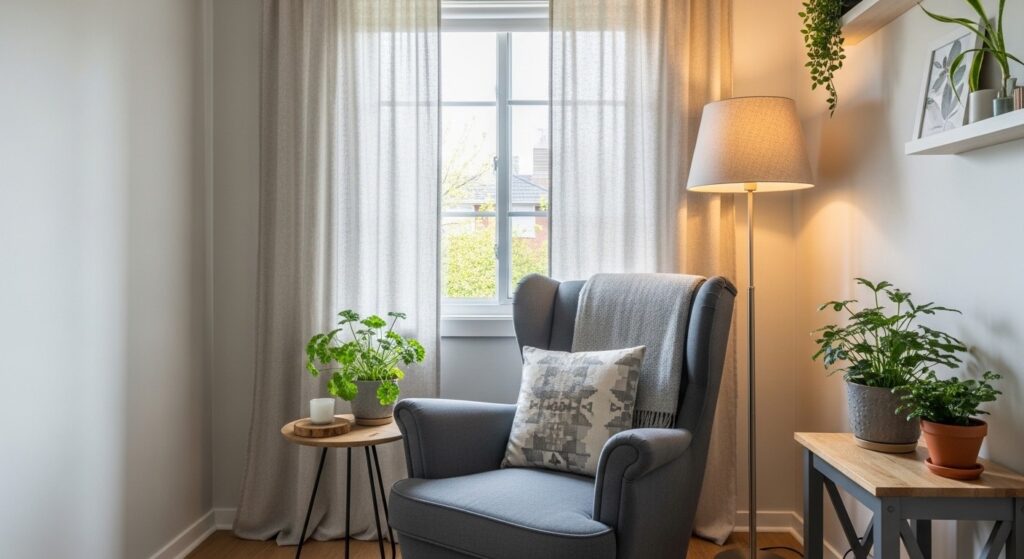
6. Leggy vs Skirted Styles
This is one of those small design decisions that has an outsized impact, and it’s easy to overlook when you’re focused on size and color. Sofas with raised legs — ideally six to eight inches off the ground — make a room feel bigger. When your eye can see the floor running continuously under and around the furniture, the brain reads the space as larger and more open. It’s a simple visual trick, but it genuinely works.
Skirted sofas, where the fabric hangs to the floor, have the opposite effect. They absorb the visible floor space and add visual weight that makes a compact room feel even more compressed. They look beautiful in larger, more traditional living rooms — but in a small apartment, they’re working against you.
If you already have a skirted sofa and you’re not ready to replace it, there’s a genuinely affordable fix: sofa leg upgrade kits. You can swap out or add legs without any special tools, and the difference it makes to how the room feels is real. It’s one of those small changes that people notice without quite knowing why.
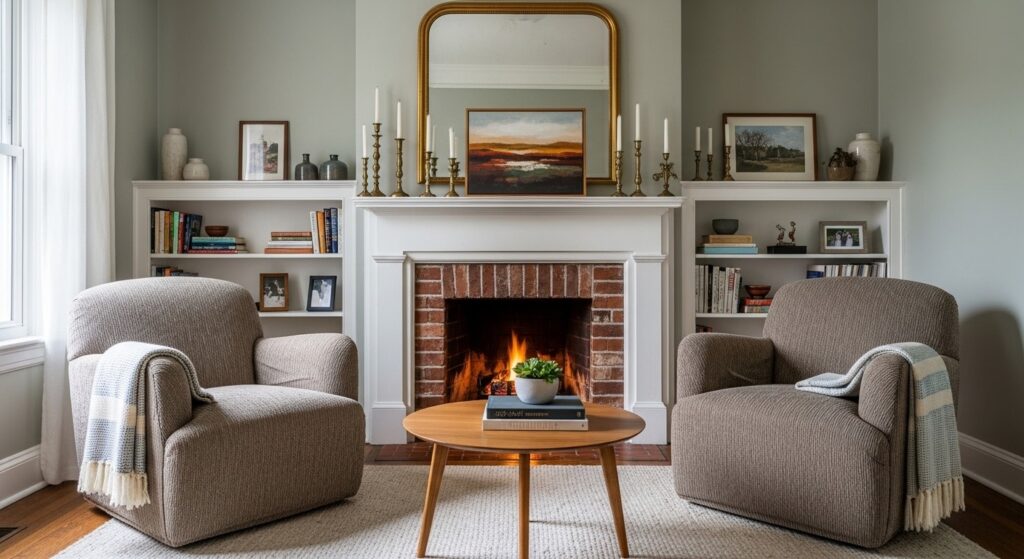
Quick guide:
- Raised legs (6–8 inches) create visual floor continuity
- Skirted sofas add weight and shrink the perceived space
- Tapered or hairpin-style legs feel especially light and airy
- Sofa leg kits are an inexpensive DIY upgrade worth trying
7. Fabric and Color Choices
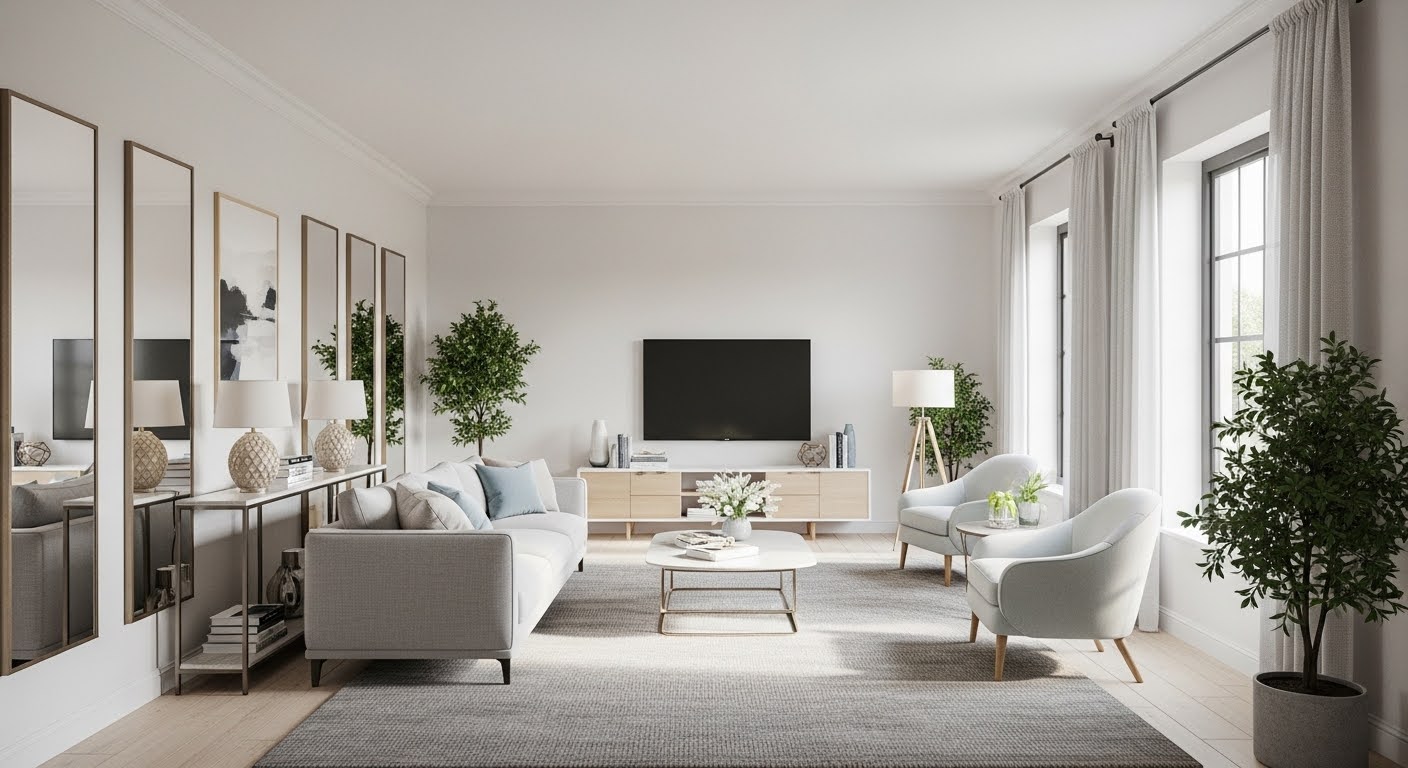
Color is one of the most powerful tools you have in a small room, and the sofa is often the biggest colored surface in the space. Light, warm neutrals — creams, soft taupes, warm greys, muted sand tones — reflect light and push the walls back visually. When your sofa is in a similar tone family to your walls, the boundary between them softens, and the room feels less boxed in. This is a core reason why so many small-space decorators reach for neutral sofas.
That said, a darker sofa can absolutely work — deep charcoal, forest green, navy blue. The key is intention. When a dark sofa is chosen deliberately as the focal point of an otherwise light room, it reads as a design choice rather than a space problem. What you want to avoid is a dark, heavy sofa in a room where everything else is also dark, because that combination makes a small room feel genuinely closed in.
For fabric, performance textiles have become a real standout category for apartment living. Brushed microfiber, tight-woven linen blends, and performance bouclés resist staining, hold their shape over years of use, and clean up easily. If you love the look of velvet, go for it — just choose a lighter shade. A pale dusty pink or soft sage velvet has the visual richness without the heaviness.
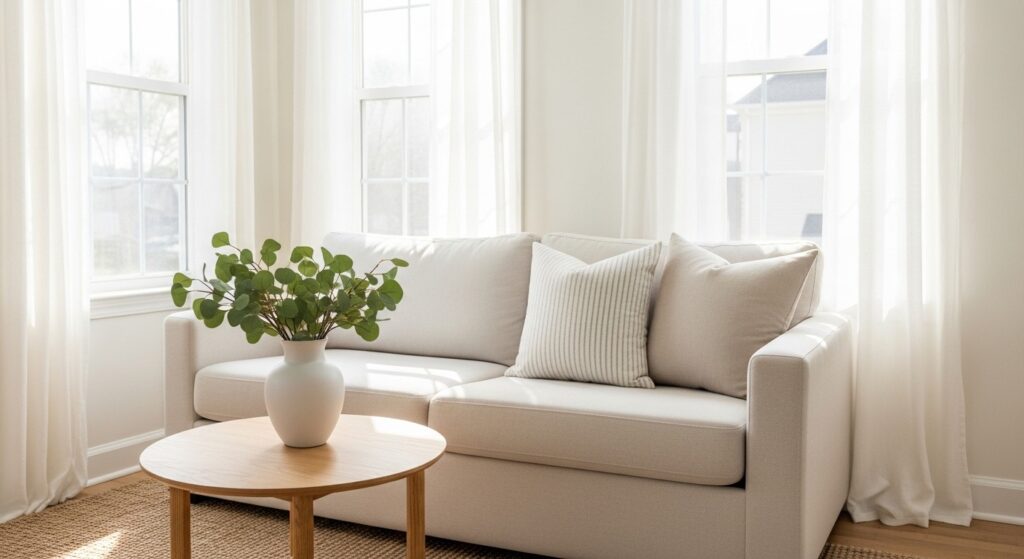
Fabric and color tips:
- Light neutrals — cream, warm grey, sand — open up a room visually
- Dark sofas work best as a deliberate focal point in a lighter room
- Performance fabrics are practical and durable for everyday use
- Velvet works best in lighter tones in small spaces
- Stick to plain fabrics or subtle textures — avoid large-scale prints
Common Mistakes to Avoid
Even with the best intentions, a few common pitfalls can undercut an otherwise well-planned small living room. Here are the ones worth watching out for:
- Pushing all furniture against the walls. This feels logical — you’d think it creates more open floor space in the center — but it actually makes a room feel bare and awkward. Try floating your sofa even four to six inches away from the wall. The result looks more deliberate and gives the room depth.
- Choosing oversized furniture. One well-proportioned statement piece can work. Filling a small room with multiple large items just creates visual noise. Scale down, and then add carefully.
- Ignoring the back height of the sofa. A high-backed sofa competes with wall art, mirrors, and shelving. Low-back designs keep the eye moving upward, which makes ceiling height feel more generous.
- Too many small accessories piled on and around the sofa. Lots of small throw pillows, tiny side tables, and scattered ornaments creates clutter that reads as chaos in a tight space. Fewer, larger accessories almost always looks cleaner.
- Overlooking the lighting situation. Even the most perfectly sized sofa can feel cramped if the lighting is poor. A floor lamp placed beside the sofa draws the eye upward and makes the whole corner feel considered.
Frequently Asked Questions
What is the best sofa for a small living room?
Honestly, there isn’t one single answer — it depends on how you use the space. That said, the most reliably successful formula for small rooms is an apartment-size sofa (70–82 inches wide) in a light neutral color, with raised legs and a low, straight back profile. These four qualities together keep the visual weight down, keep the floor visible, and help the room feel open. For seat depth, aim for 22 inches or under. If you tend to have people over regularly, a compact reversible sectional or a loveseat-plus-chair setup might actually serve you better than a single sofa.
How do I make my small living room look bigger?
Work with light first — it’s the single highest-impact factor. Keep window treatments light and sheer so natural light fills the room freely. Layer in warm ambient lighting at the corners to eliminate the dark shadows that make a space feel enclosed. Beyond that: choose furniture with raised legs, keep your color palette cohesive and on the lighter side, and avoid blocking the path of natural light with tall furniture. Also see our full guide on Small Living Room Layout Ideas for room-specific arrangement strategies.
What colors make a small room look larger?
Soft, light, warm neutrals consistently come out on top: cream, warm white, pale greige, light sage, muted blush. These tones work because they reflect light rather than absorbing it, and when used across walls, sofa, and soft furnishings together, they soften the edges of the room and create a sense of spaciousness. Monochromatic schemes — where everything stays in the same tonal family — are particularly effective because they remove the visual interruptions that chop a small room into segments. For personality and depth, lean into texture and subtle pattern rather than reaching for dark or saturated colors.
Should I use a rug in a small living room?
Yes — but the rug needs to be bigger than your instinct is telling you. The most common rug mistake in small rooms is going too small, which leaves the furniture looking unmoored and the room feeling choppy and unfinished. A good general rule: the front legs of your sofa should sit on the rug. This grounds the seating arrangement and makes it read as a unified zone. For color, a light or low-contrast rug visually extends the floor space. A darker or bolder rug can also work well as a grounding anchor, as long as everything else in the room stays relatively light. For more ideas, check out our roundup of 50 Small Living Room Ideas.
Finding the Sofa That Actually Works for You
Getting this decision right doesn’t have to be stressful. You now know what to measure, what terminology to search for, which style choices help a tight room breathe, and which ones work against you. Whether you land on a slim apartment-size sofa in warm cream, a clever corner sectional, or a loveseat paired with an accent chair, you have enough information to make a choice you’ll feel good about. This isn’t about compromise — it’s about shopping with intention.
Take it step by step. Start with your measurements. Then narrow by scale. Then layer in color, fabric, and style. You don’t have to figure it all out in one afternoon. Small spaces, done thoughtfully, are some of the most inviting and characterful rooms out there. You’ve got this — now go find your sofa.
Continue reading: