
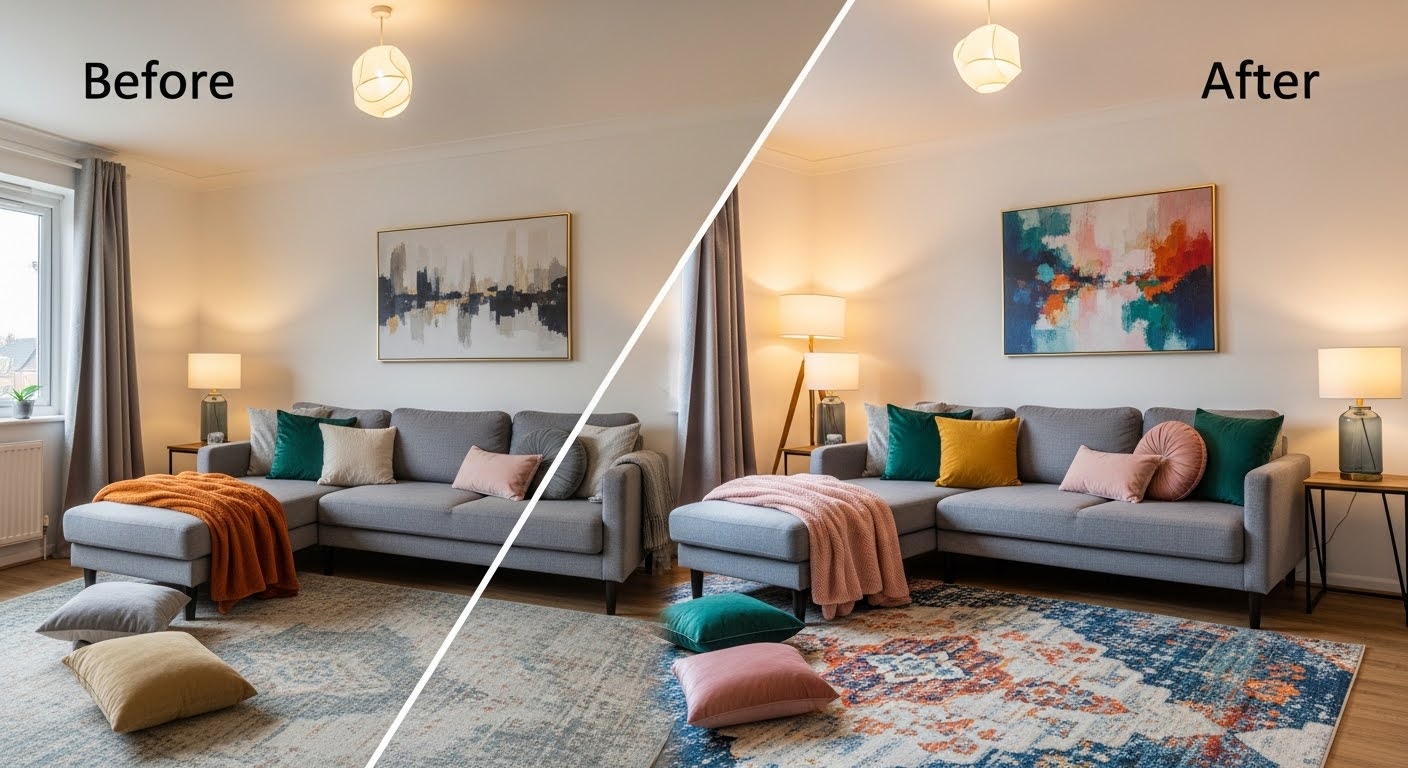
Budget Living Room Makeover: Transform Your Space for Under $500
Let me guess — your living room is fine. Not bad, not great. Just… fine. Maybe the walls are that flat rental-white you never chose, the furniture doesn’t quite match, and every time you see a styled room online you wonder how anyone actually affords that. I’ve been there. And here’s the thing nobody really tells you: most of those rooms didn’t cost a fortune. A good budget living room makeover is far more achievable than it looks.
The truth is, beautiful rooms get made with intention, not money. You don’t need a decorator or a big credit limit. You need a plan, a few smart swaps, and the willingness to look at your space a little differently. I’ve helped friends redo their living rooms for less than a dinner out — and the results genuinely surprised them. This guide is the same approach, written out step by step.
By the time you finish reading, you’ll know exactly where to put every dollar of your $500, which cheap living room refresh strategies make the biggest visual difference, and how to shop secondhand without bringing home something you’ll regret. Let’s get into it.
Quick Summary
WHO THIS IS FOR
Budget-conscious decorators, DIY enthusiasts, first-time homeowners
TIME TO READ
8 min
TOP 3 TAKAWAYS
1. $500 Budget Breakdown
Here’s the part most decorating guides skip: they tell you what to buy but not how to divide your money before you start shopping. That’s a problem. Walk into a home goods store without a clear breakdown and you’ll spend $200 on throw pillows and wonder where it all went.
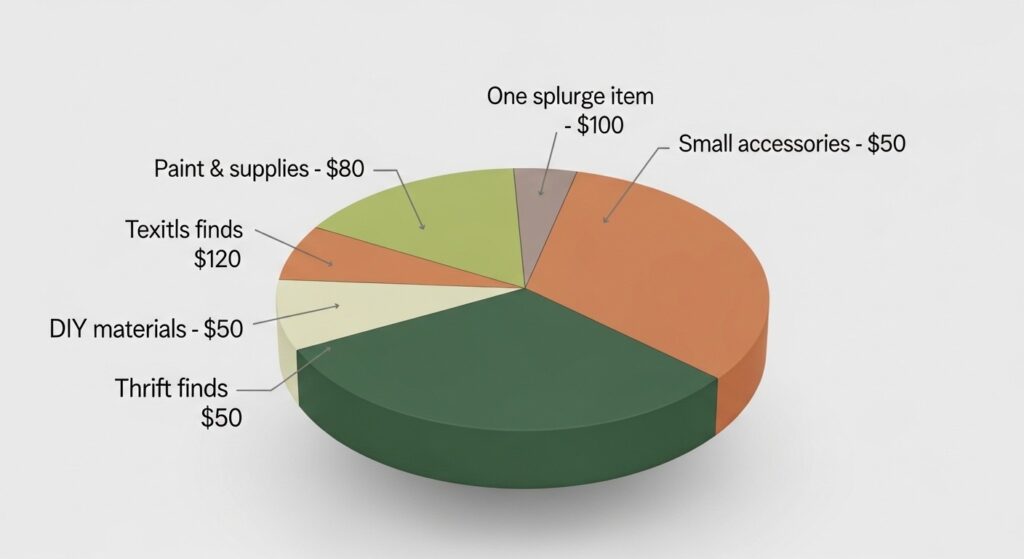
Think of your $500 as a pie with purpose. Each slice has a job. The numbers below aren’t rigid — a room with great bones might need less paint and more textiles — but they’re a solid starting point for most spaces.Suggested split:
- Paint and supplies — $80
- Textiles: pillows, throws, curtains — $120
- Thrift store furniture or decor — $100
- DIY project materials — $50
- One quality anchor piece — $100
- Small accessories and plants — $50
2. The Power of Paint
If you own your home — or have a landlord who allows it — stop reading for a second and go check what color your walls are. If the answer is anything close to “default,” paint is your single best move. Nothing else in decorating gives you this much return for so little money. A gallon of quality paint runs $35 to $60. That’s the whole room changed for less than a nice dinner.
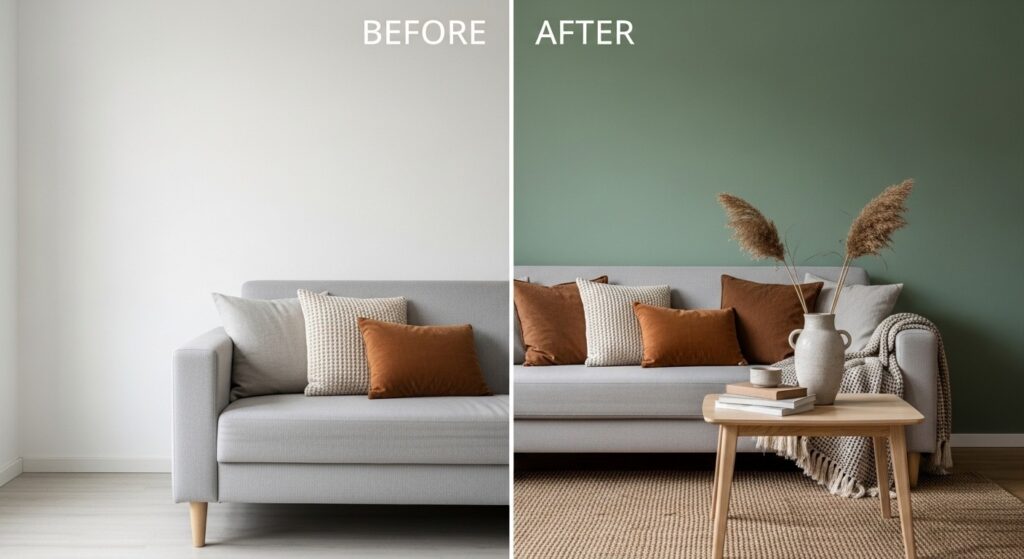
You don’t have to paint every wall either. An accent wall behind the sofa is enough. Warm terracotta, dusty sage, a deep slate blue — any of these can anchor the room and give it a personality it didn’t have before. If you rent and can’t touch the walls, try painting a thrift store side table or dresser instead. A painted piece of furniture reads as deliberate and stylish, and it costs you almost nothing.
The main thing to know as a beginner: always buy a sample pot first. Paint looks completely different on a wall than it does on a chip, especially once natural light hits it. Test it, live with it for a day, then commit. You can find even more color ideas in our guide to [Budget Living Room Ideas].
A few practical notes:
- Buy a sample pot and test on the actual wall before buying a full gallon
- One gallon covers roughly 350 to 400 square feet — more than enough for one accent wall
- Matte and eggshell finishes hide imperfections better than satin or gloss
- Use painter’s tape along edges — it costs about $5 and saves a lot of frustration
3. Textile Refresh for Less
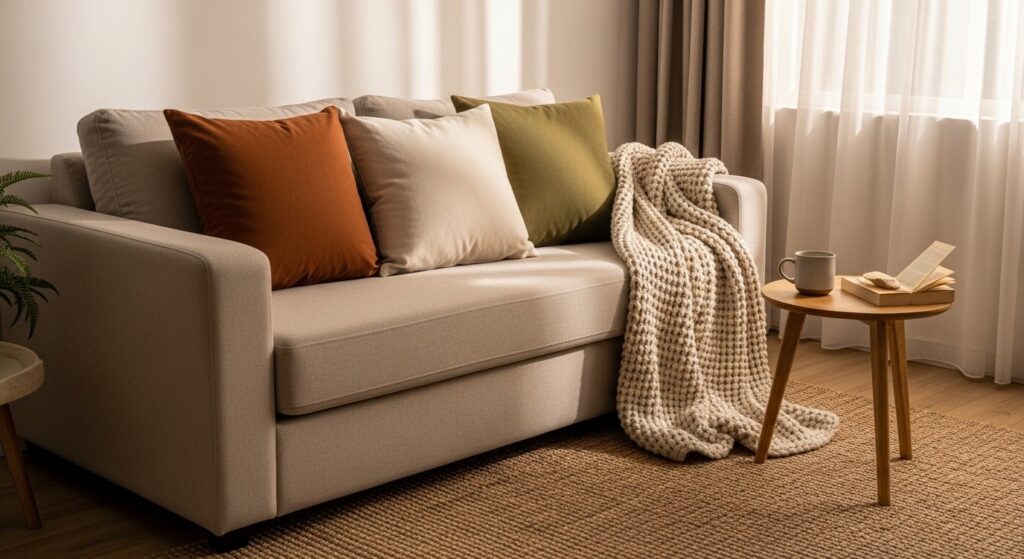
Throw pillows, blankets, curtains, a rug — these are what interior designers call the “soft layer,” and they do more work than almost anything else in a room. They add color, warmth, and texture. They make a plain sofa look curated. And best of all, they’re completely swappable when your taste changes.
The trick is layering rather than matching. A solid-color sofa actually looks better with two patterned pillows and a chunky throw than it does with a perfectly coordinated set. Mix scales — a large geometric with a smaller floral, for example — and keep the colors in the same family. You want it to look collected, like you found things you loved over time, not like you ordered a bundle from one website.
Curtains are one of the most overlooked upgrades in a small space. Hang them high — close to the ceiling, not just above the window frame — and wider than the window itself. This single trick makes ceilings feel taller and windows feel larger. It costs nothing extra and changes the entire proportion of the room.
Quick textile shopping tips:
- Pick two to three colors and stick to them — mixing patterns works when the palette is consistent
- Odd numbers of pillows (three or five) look more natural than even numbers
- Wash new curtains before hanging — it removes stiffness and makes them drape better
- For rugs, the front two sofa legs should at least sit on the rug; all four is even better
4. Rearranging Costs Nothing
I cannot tell you how many times I’ve walked into someone’s living room and the first thing I’ve thought is: the furniture is in the wrong place. Not because the pieces are bad — but because everything is pushed against the walls like the room is preparing for a dance class. It’s a really common habit, and it makes rooms feel smaller and less cozy, not more spacious.
Try pulling your sofa away from the wall — even just six inches. Then float everything around a central rug or coffee table, and angle the seating toward whatever your room’s focal point is: the TV, a fireplace, a big window. You’re creating a conversation zone rather than a waiting room. It sounds small but the difference in how the room feels is immediate.
Before you move anything heavy, use painter’s tape on the floor to sketch out new arrangements. Lay out the footprint of your sofa, chairs, and table without lifting a thing.
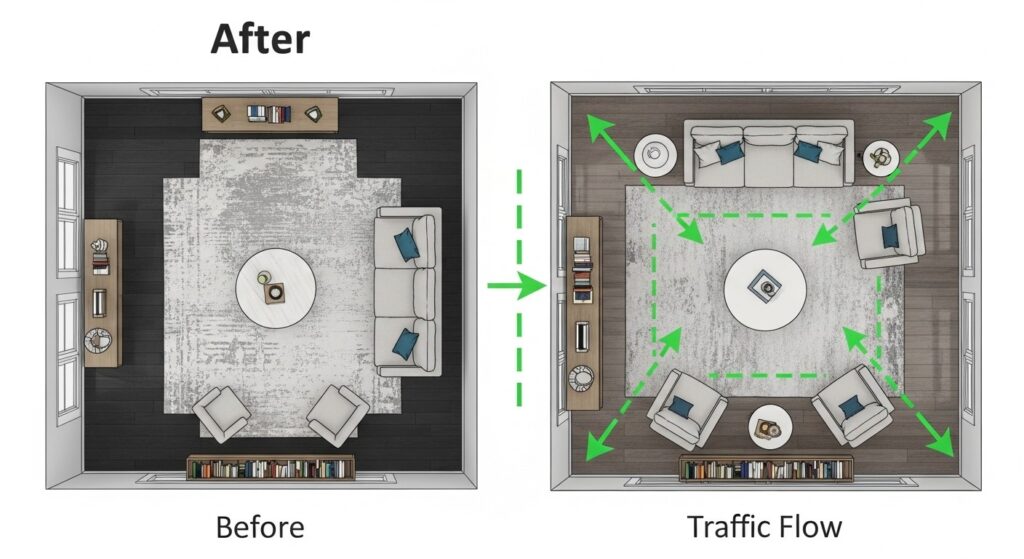
Walk around it. Sit in it. Then move the actual furniture once you know the layout works. Our [Small Living Room Ideas] guide has specific diagrams for rooms under 200 square feet.Layout rules worth remembering:
- Leave at least 18 inches of clear walking space around furniture
- The sofa back does not have to touch a wall
- Create a clear path from the entrance to the main seating area
- Keep the TV at seated eye level — mounting it too high strains your neck
5. DIY Projects Under $50
You don’t need to be particularly crafty to pull this off. Some of the best budget decorating projects take less than an afternoon and require only basic tools. What makes them work isn’t skill — it’s intention. A gallery wall above a sofa, a painted bookshelf, floating shelves above a console table. These things look considered and personal in a way that store-bought decor often doesn’t.
Gallery walls are a great first project if you’ve never done DIY before. Print photos or download free art prints online — there are sites that offer beautiful botanical and abstract prints at no cost. Frame them in simple black or natural wood frames, lay everything out on the floor first to plan your arrangement, then hang. The result looks like it took days. It takes an afternoon and usually costs under $40.
Other easy wins: repaint a boring picture frame collection in the same color so they look cohesive, add a floating shelf or two for books and plants, or use peel-and-stick contact paper on the back panels of a bookshelf for a bit of pattern. None of these require any real expertise. For step-by-step walkthroughs, check out our [DIY Living Room Decor] guide.
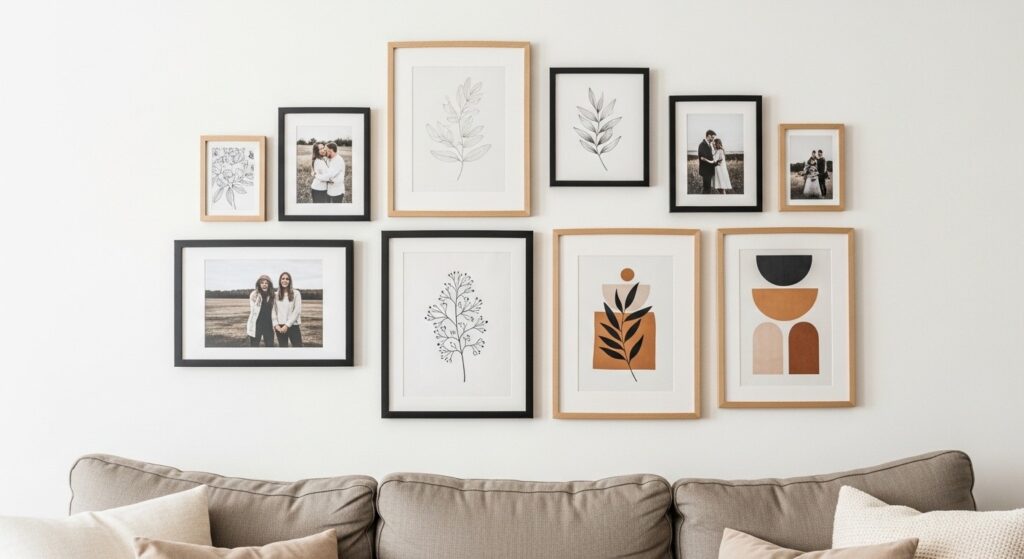
Great starter DIY projects:
- Gallery wall using free printable art and budget frames
- Spray-painted picture frames to create a coordinated collection
- Contact paper on bookshelf back panels for pattern and color
- Floating shelves with a basic drill and wall anchors
- Repainted furniture — a thrift store side table in a fresh color looks brand new
6. Strategic Thrift Finds
Thrift stores get a bad reputation from people who’ve only skimmed the surface. Go regularly, know what you’re looking for, and you will find genuinely good pieces. The key is knowing what to prioritize. You’re not shopping for perfection — you’re shopping for potential. Good structure and interesting shape matter far more than the current finish or color.
The items that reliably deliver at thrift stores: solid wood side tables, lamps with sculptural or interesting bases, mirrors of any size, ceramic and glass vases, and framed artwork. Mirrors especially. A large mirror bounces light around a small room and makes it feel twice the size. If the frame is ugly, a can of spray paint fixes that in twenty minutes for about eight dollars.
What to leave behind: anything upholstered with stains, a persistent odor, or visible structural issues like broken legs or loose joints. Surface problems are easy to fix; structural ones tend to get more expensive fast. Facebook Marketplace and local buy-nothing groups are also worth checking — people give away good furniture all the time, sometimes for free.
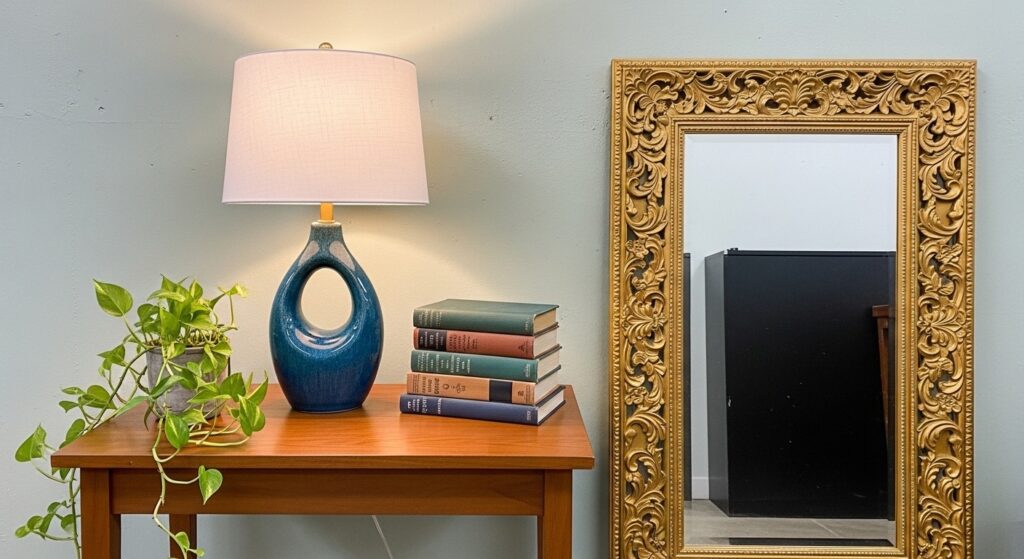
Best thrift store hunting targets:
- Large mirrors in any frame style — refinish with spray paint as needed
- Solid wood side tables, coffee tables, and small console tables
- Ceramic, glass, or terracotta vases and vessels
- Table and floor lamps with sculptural bases
- Framed artwork — repaint the frames to match your palette
7. One Splurge Item
Here’s a principle that I think gets missed in most budget decorating advice: spending less on everything is not the same as spending wisely. A room full of cheap items looks cheap. But a room where most things are affordable and one thing is genuinely good? That reads as intentional and elevated. Pick one item to spend more on and let it set the tone for the whole space.
The best candidates are things you interact with daily and that have visible quality — a well-made area rug, a solid floor lamp, one piece of original or high-quality printed artwork. These are also the items where cutting corners tends to show: a thin rug looks flat underfoot and cheap in photos; a flimsy lamp wobbles and casts poor light. It’s worth spending an extra $30 to $50 to get it right.
Your $100 splurge allocation goes further than you might think. Discount home stores, end-of-season sales, and online clearance sections regularly carry genuinely beautiful rugs, substantial lamps, and striking art prints. You’re not compromising on looks — you’re just shopping at the right time and in the right places.
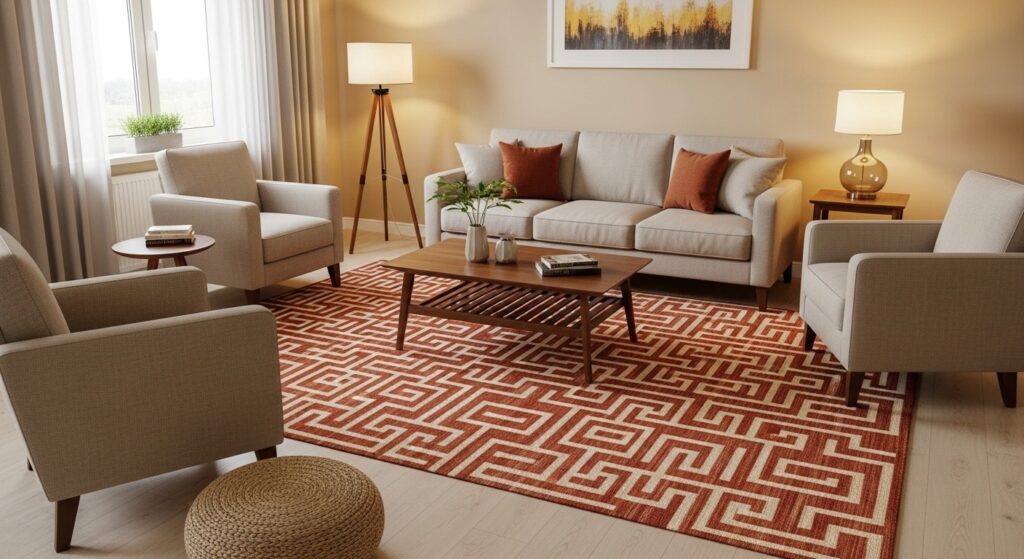
The best things to spend more on:
- A quality area rug — the visual foundation of the whole room
- A statement floor or arc lamp for both function and style
- One piece of original or high-quality printed artwork
- A set of substantial, well-filled throw pillows for the sofa
8. Before and After Planning
The single thing that separates a successful budget makeover from a frustrating, expensive one is planning before you spend. It sounds obvious but most people skip it. They get excited, head to the store, and come home with a candle, two throw pillows in the wrong color, and a picture frame that doesn’t fit anywhere. A little prep saves a lot of regret.
Start by photographing your room from every corner in good natural light. Then step back and ask yourself: what are my three biggest complaints? Usually it’s lighting, color, or clutter. Those three things are where your money should go first. Solve those and the rest of the room will start to make more sense without you spending another dollar.
Build a simple mood board — even just a folder of screenshots on your phone. Before you buy anything, check it against your board. Does it fit the palette? Does it belong in this room? This habit alone will save you from impulse buys that look great on the shelf and weird on your floor. You can read more about room planning in our [Budget Living Room Ideas] guide.
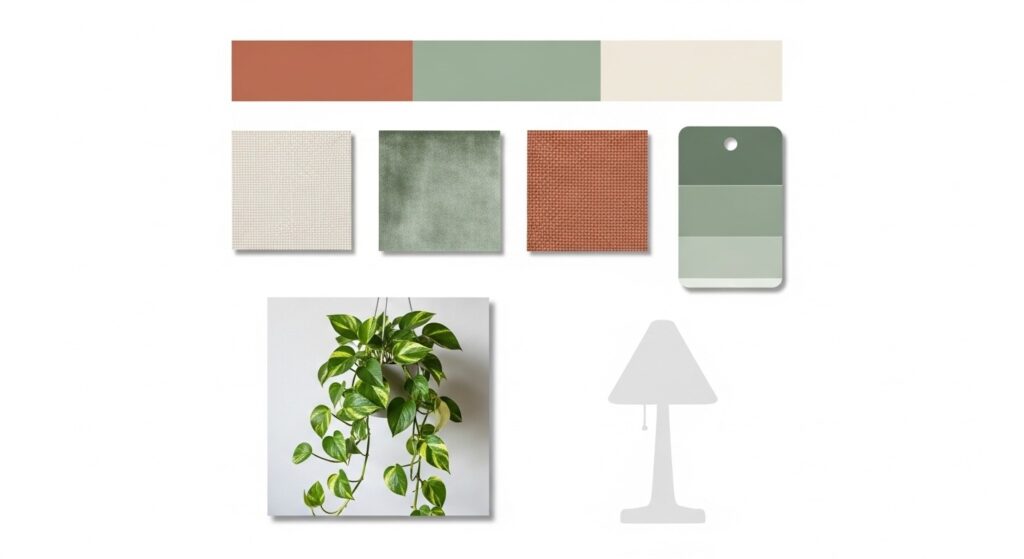
Before you spend a single dollar:
- Photograph the room from all four corners in good daylight
- Write down your three biggest visual complaints and address those first
- Measure the room and note key furniture dimensions before shopping
- Build a mood board and check every potential purchase against it
- Set a firm cap per category and track every spend as you go
Common Mistakes to Avoid
Even a well-planned budget makeover can go sideways. These four traps catch a lot of people — knowing them in advance puts you ahead.
- Buying cheap things that won’t last. There’s a real difference between affordable and poorly made. Durability matters most on items you use or touch daily — lamps, tables, rugs. Save money on decorative accents and wall art, not structural pieces. A flimsy coffee table that wobbles in six months ends up costing more than buying a good one upfront.
- Shopping without a plan. Heading to a thrift store or home goods shop without knowing your color palette, measurements, and category budgets is how you end up with a pile of cute items that don’t belong together. Always have your mood board and room measurements on your phone before you walk in.
- Ignoring what you already own. Before spending anything, do a full audit of your space. That side table you’ve been walking past for two years might look completely different with a fresh coat of paint. The lamp in your bedroom might be exactly what the living room needs. Shop your own home first.
- Choosing trendy over timeless. Trends move fast, and a room built around one viral color or single aesthetic can feel dated within a year or two. Build your base in classic, flexible shapes and neutral tones. Use affordable accessories — pillows, vases, art — to bring in whatever trend you love right now. Swap them out when your taste changes.
Frequently Asked Questions
Q1: How much should I realistically spend on a living room makeover?
Honestly, it depends on your starting point and how much the room needs. For a genuine and noticeable affordable room transformation, most people find the sweet spot is somewhere between $300 and $700. The total number matters less than how you split it — addressing your biggest visual problems first gives you the most return. And you don’t have to do everything at once. A phased approach over a few weekends, tackling one section at a time, is often easier on both your budget and your stress levels.
Q2: What one change makes the biggest visual impact for the least money?
Paint, without question. A gallon of wall paint costs $35 to $60, takes a weekend, and can completely change the mood, warmth, and perceived size of an entire room. Nothing else in decorating comes close to that return on investment for that price. If painting isn’t an option where you live, the next best move is textiles — new throw pillows, a fresh blanket, and curtains hung high and wide can refresh a room for under $100 and require no tools at all.
Q3: Is secondhand furniture actually worth buying?
Yes — if you know what you’re looking for. Solid wood tables, mirrors, lamps, and ceramic decor are almost always worth buying secondhand. Focus on structural quality over surface condition. A scratched finish is just an afternoon project. A wobbly frame or a broken joint is a sign to put it back. Always check that drawers open smoothly, that legs and joints feel solid, and that any upholstered item smells completely neutral before you carry it home.
Q4: In a tight budget, what’s worth spending more on?
Spend a little more on whatever anchors the room and gets used every single day. A quality area rug is the most consistent answer — it defines your seating zone, adds warmth, and makes everything around it look more intentional. A well-made floor lamp is another good investment, both for the light quality and the design presence. Avoid spending extra on anything that follows a trend. Invest in timeless shapes and save on seasonal or decorative pieces.
Q5: How long does a full budget living room makeover actually take?
Most people finish in two to four weekends spread over a few weeks. Planning — photographing, mood-boarding, measuring — takes an afternoon. Thrift shopping and sourcing can happen gradually over a week or two as you find the right pieces. Painting takes a full weekend when you factor in prep, two coats, and proper drying time. The final styling and accessorizing usually comes together in just a few hours once everything is in place. Go at your own pace — there’s no deadline and no prize for rushing.
Your Budget Makeover Starts Now
A room you genuinely love coming home to isn’t something that requires a big budget or a designer’s eye. It’s built slowly, intentionally, one good decision at a time. You now have the full roadmap: how to split your money, where to shop, what to DIY, what to splurge on, and what mistakes to sidestep. That’s more than most people start with.
Pick one thing from this guide and do it this week. Order a paint sample. Pull your sofa six inches from the wall. Open a local resale app and search for mirrors. Small moves add up to something real. And when you’re ready for more, our related guides — [Budget Living Room Ideas], [DIY Living Room Decor], and [Small Living Room Ideas] — have everything you need to keep going.