Small Living Room Furniture Ideas
What Fits, What Doesn’t
You finally have your own place — and then reality hits. The living room that looked perfectly reasonable in the listing photos somehow swallowed your brand-new sofa whole. If you’re working with a compact apartment, a studio, or just a snug living space, figuring out what furniture to buy (and what to skip) can feel genuinely overwhelming. You second-guess every dimension. You wonder if you’re about to make a very expensive mistake.
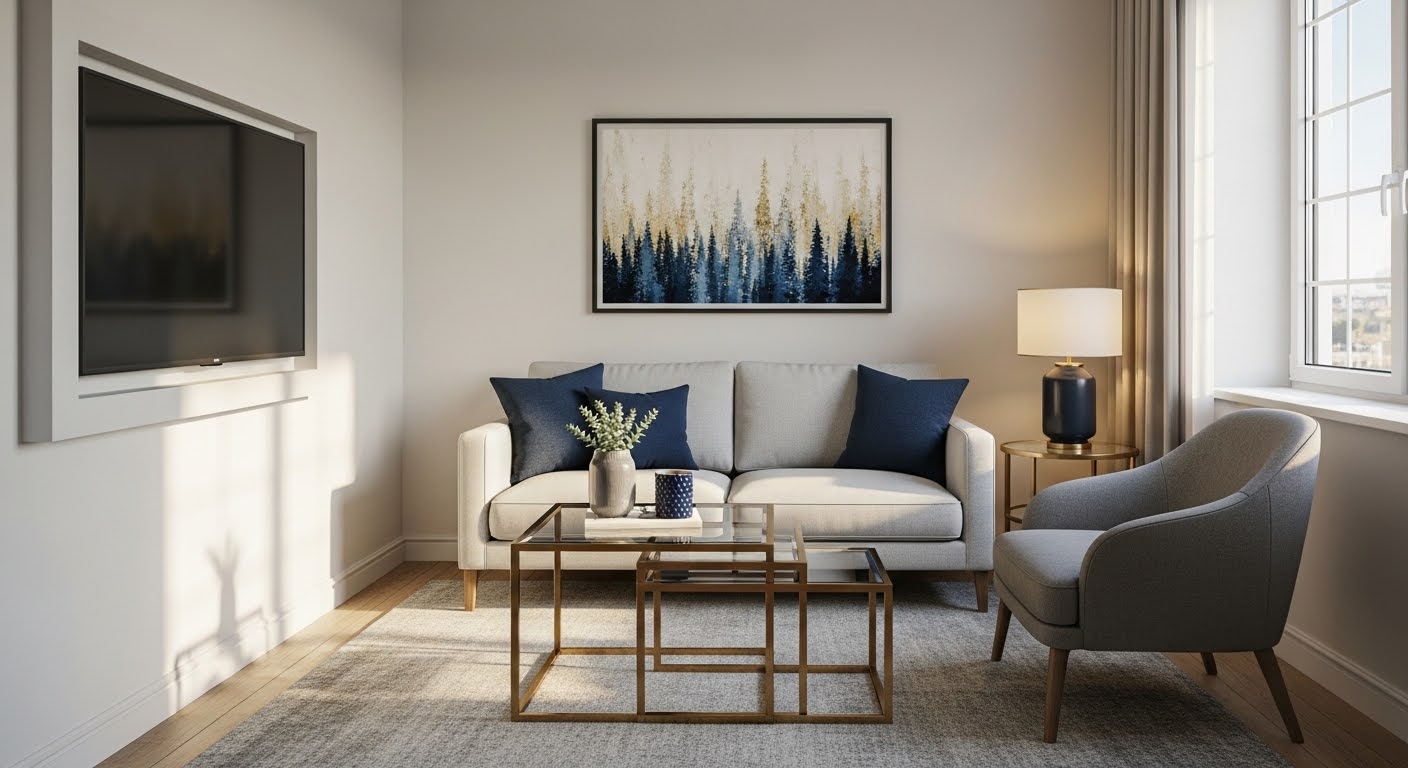
Here’s the thing, though: a small living room isn’t a problem to solve. It’s a design challenge to embrace. With the right small living room furniture ideas, you can put together a space that feels open, stylish, and completely livable. The difference between a cramped room and a cozy one usually comes down to just a few smart calls — not a bigger budget or a bigger apartment.
In this guide, you’ll learn exactly how to measure your space before you buy a single thing, which sofas and chairs actually work in small rooms, clever coffee table alternatives that save serious floor space, and the most common furniture mistakes people make. By the end, you’ll feel confident walking into any furniture store — or scrolling any furniture site — with a clear plan.
Quick Summary
WHO THIS IS FOR
Apartment renters, first-time homeowners, and small-space dwellers looking for practical furniture guidance.
TIME TO READ
8 min
TOP 3 TAKAWAYS
1. How to Measure Your Space Before Buying
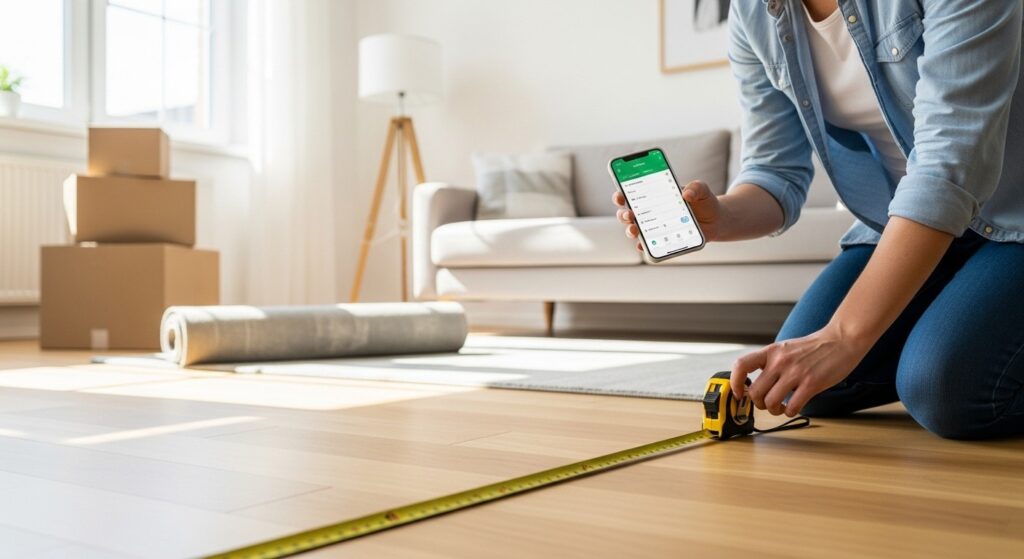
Before you browse a single sofa or scroll a single furniture website, grab a tape measure and get properly acquainted with your room. Measure the full length and width of the space. Then note where your doors, windows, and any fixed features sit — things like radiators, built-in shelving, or awkward corners that aren’t going anywhere. Write it all down. Even a rough sketch on paper helps more than you’d think.
Once you have your measurements, try this: use painter’s tape on the floor to map out where your furniture will go. It sounds a bit extra, but it’s one of the most effective tricks for furniture for small living rooms and small living room storage ideas You can see — actually see — whether a sofa or TV console works before you’ve spent a cent. It also makes it obvious where the walkways are tight and where you have more room than you thought.
A few numbers worth knowing: leave at least 30–36 inches of walkway between major pieces of furniture. Between your sofa and coffee table, 18 inches is the sweet spot — close enough to reach your drink, far enough to move around comfortably. These sound like abstract rules until you tape them out. Then they make complete sense.
- Measure your doorways — furniture has to physically fit through them to get in
- Note ceiling height — tall ceilings open up your vertical storage options considerably
- Mark electrical outlets — they determine where your TV and lamps can realistically go
- Document your natural light sources — they’ll affect where you want to seat people
2. Sofas That Fit Small Living Rooms
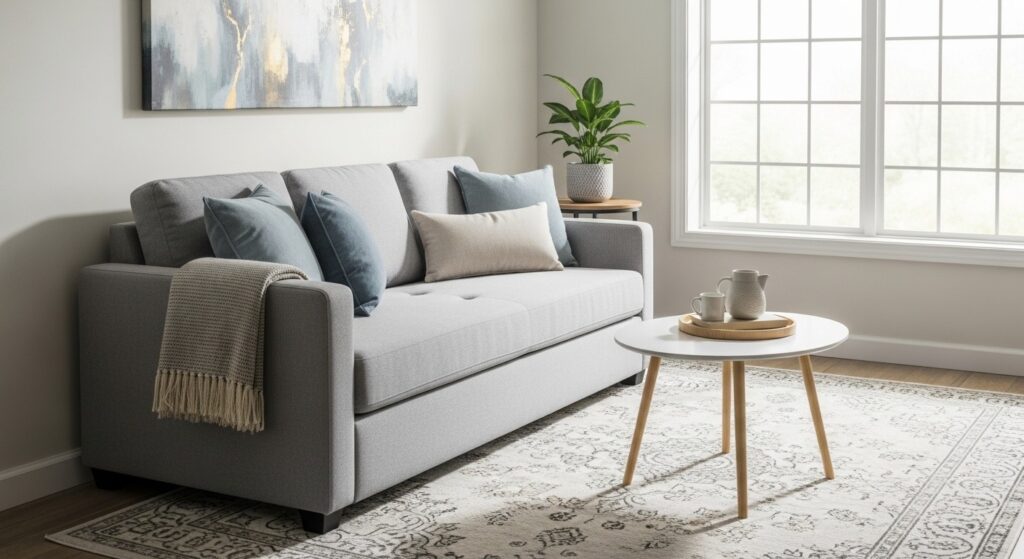
The sofa is almost always the biggest purchase in a living room, and in a compact space, the wrong one can eat the room alive. For smaller rooms, look for sofas in the 72–84 inch range rather than the standard 90+ inch models you’ll see everywhere. A two-seater or a compact three-seater gives you real, comfortable seating without the room feeling like it’s held hostage by a single piece of furniture.
One of the best small scale furniture moves you can make? Choose a sofa with raised legs rather than a skirted base that sits flat on the floor. It’s a subtle thing, but exposed legs create a visual gap between the sofa and the floor that makes the whole room feel more open and airy. It genuinely works, and you’ll notice the difference immediately.
If you need more seating flexibility, a loveseat paired with a single accent chair often works better than a full three-seat sofa. Or consider a compact L-shaped sectional — some are specifically designed for apartments and fit surprisingly well tucked into a corner. The key is to shop with your measurements in hand, not just your eye.
- Aim for sofas under 84 inches wide for most small spaces
- Choose raised legs over floor-skimming bases — it’s a visual game-changer
- Avoid deep seats (over 38 inches deep) — they eat floor space without adding much comfort
- Light upholstery colors recede visually, keeping the room feeling open
3. Coffee Table Alternatives (Save Floor Space)
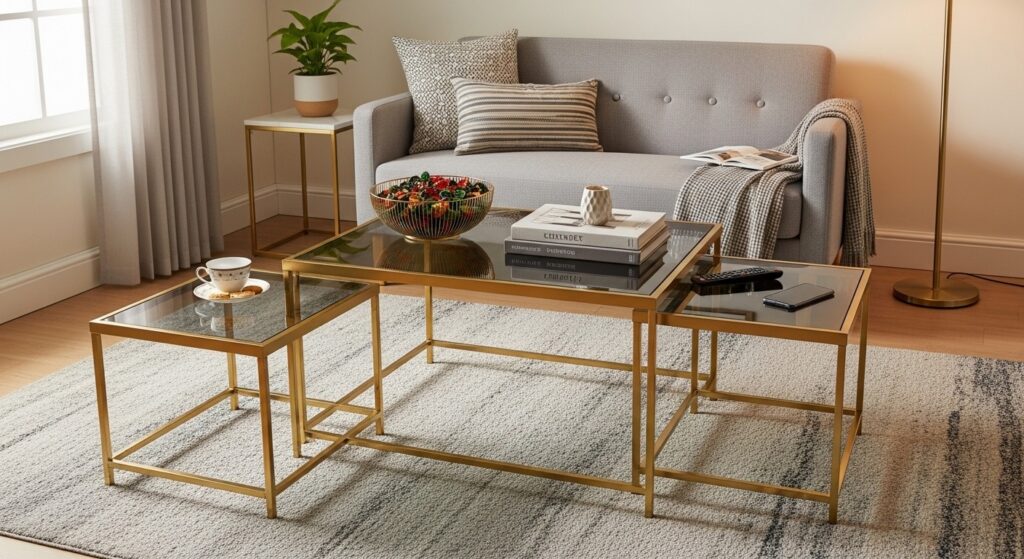
A traditional rectangular coffee table is often the single biggest floor-space hog in a small living room. And the truth is, there are so many better options for tight spaces. A pair of small nesting tables, for example, tucks together when you don’t need them and pulls apart when you do. Maximum flexibility, minimum footprint. Easy.
Ottomans with storage are another clever option. You get a surface to rest your feet, hidden storage inside, and if you choose a tray-top style, a flat surface for your coffee or remote. Round ottomans are especially useful in small rooms — no sharp corners means the space is easier to move through, and they tend to feel softer and less imposing than a rectangular table.
In a very tight space, a single small side table placed at the end of your sofa can replace a coffee table entirely. You lose a little surface area, but you gain a whole lot of breathing room. Sometimes that trade-off is absolutely worth it.
4. TV Stands vs Wall Mounting
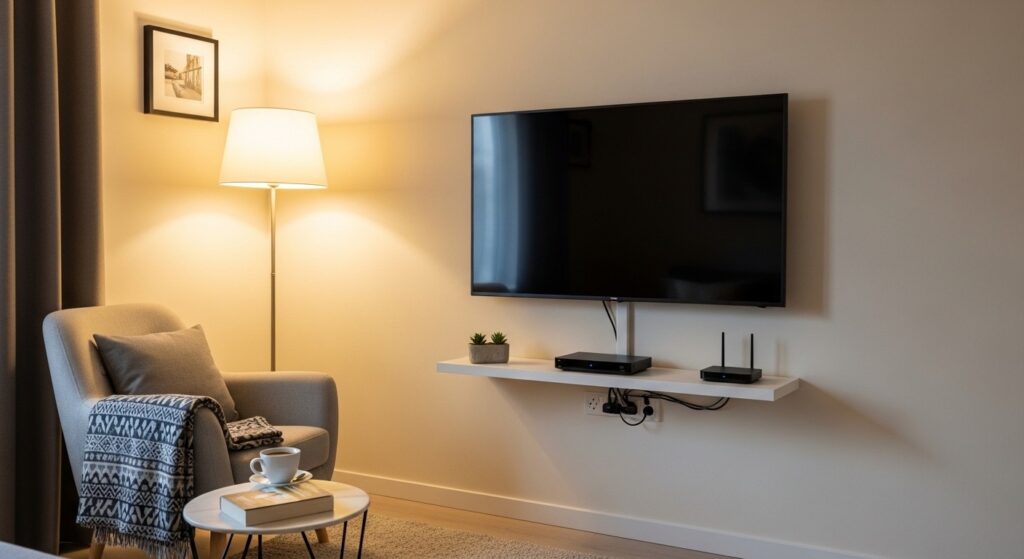
A traditional TV stand or media console takes up floor space that a small living room simply can’t spare. Wall mounting your TV is one of the single most effective moves you can make for a compact space. It frees up the floor entirely, draws the eye upward, and instantly gives the room a more polished, intentional feel.
If you need media storage — a streaming device, remotes, cables — consider a slim floating shelf below the wall-mounted TV rather than a full console. One narrow shelf keeps everything accessible without the visual bulk. Most floating shelf systems are also fairly straightforward to install and won’t break the bank.
If wall mounting genuinely isn’t an option — you’re renting and can’t drill, or your walls are tricky — opt for a low-profile media console rather than a tall, heavy unit. Keep it under 18 inches tall. A lower console keeps the visual weight of the room down and makes ceilings feel higher by contrast.
5. Chairs and Seating Options
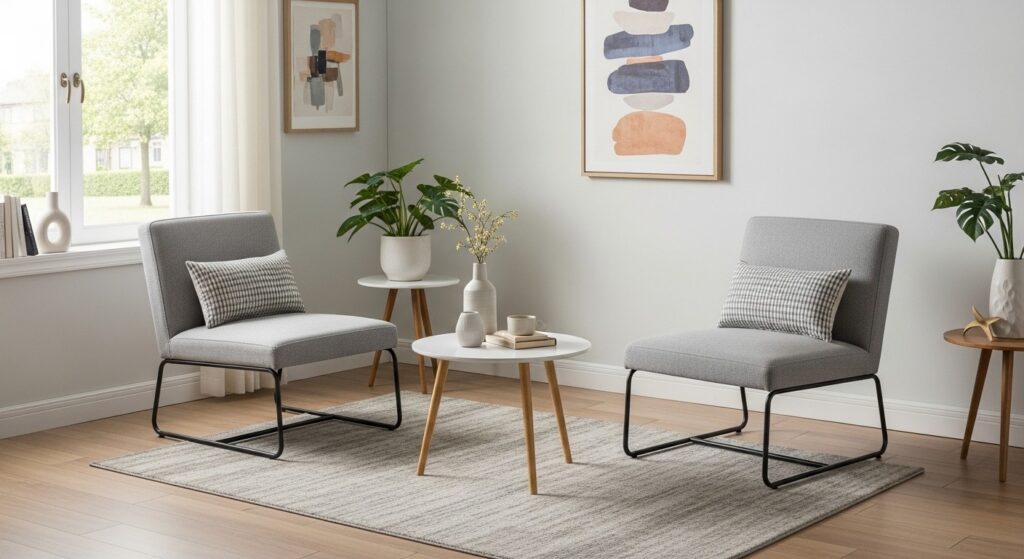
When you need extra seating in a small space, the word to keep in mind is flexibility. Accent chairs with slim profiles and raised legs follow the same logic as a compact sofa — they take up less visual weight and let the floor breathe. A slipper chair (armless, low profile) or a petite barrel chair can add a full seat without the bulk of a standard armchair. They feel intentional without feeling heavy.
Folding chairs and stackable stools are genuinely practical for apartment dwellers who entertain. Keep two or three stored under a console table or in a closet, and bring them out when you have people over. They give you extra seating on demand without permanently occupying any floor space.
Poufs and floor cushions also work really well in small living rooms. They’re light, easy to move, and double as casual seating or a spot to rest your feet. When you don’t need them, they tuck into a corner or under a side table without taking up much notice.
- Choose armless or slim-arm chairs to reduce visual bulk
- Raised legs matter here too — same visual trick as the sofa
- Transparent or acrylic chairs take up almost no visual space at all
- Folding chairs store flat and come out only when you actually need them
6. Storage Furniture That Doesn’t Overwhelm
Storage is one of the biggest challenges in a small living room — but the solution isn’t to fill every wall with shelving and cabinets. Instead, think vertically. A tall, narrow bookcase uses a small footprint but gives you significant vertical storage height. It also draws the eye up, which genuinely makes rooms feel taller and more spacious.
Built-in or floating wall shelves are even better because they have zero floor footprint at all. A row of shelves at picture-rail height keeps books and objects off the floor and creates a sense of intentional, designed space. The key is editing what you put on them. Fewer, well-chosen items always look more considered than a shelf crowded with everything you own.
For closed storage — the kind that hides the mess — look for furniture that does double duty. A bench with a lift-top lid, a side table with a drawer, or a sofa with under-seat storage all give you extra capacity without adding more pieces to the room. Every surface and every piece of furniture should genuinely earn its place.
7. What to Avoid: Furniture That’s Too Big
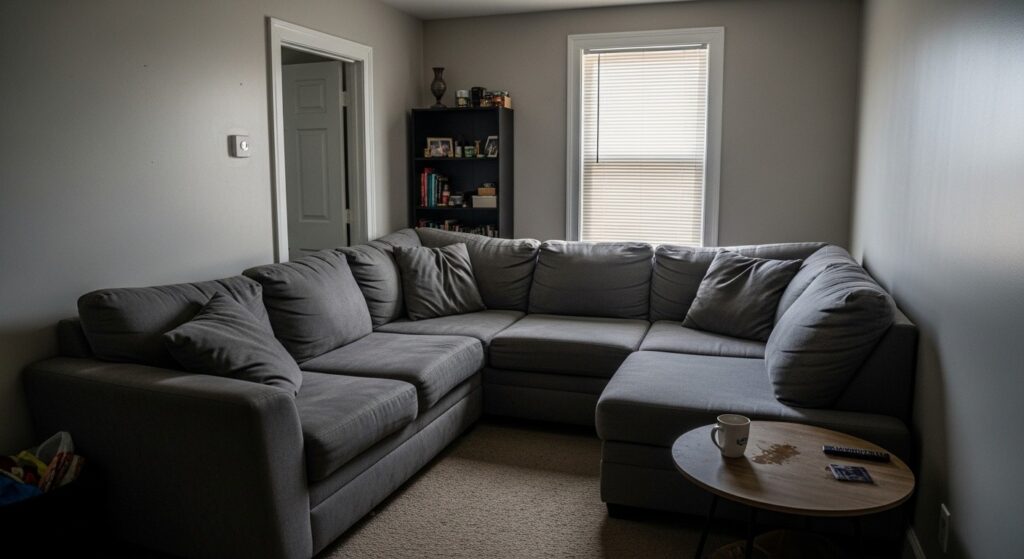
Oversized furniture is the number-one mistake people make when furnishing a small living room. It’s easy to fall for a plush, deep sectional or a statement entertainment center in a showroom — they look fantastic. But when those pieces land in a compact apartment, the room starts to feel like a furniture warehouse. Scale matters enormously here.
Dark, heavy pieces with solid bases and thick arms absorb both light and visual space. Even if something technically fits, it can make a room feel oppressive. The best furniture for tiny spaces has visual lightness: slim profiles, lighter finishes, raised legs, and simple lines. Think of it less as buying smaller furniture and more as buying furniture that doesn’t fight the room.
Anything with a lot of visual busyness — heavily carved wood, very bold upholstery patterns, ornate detailing — also tends to overwhelm compact rooms. Save those statement pieces for when you have more space to let them breathe. In a small room, simplicity and restraint consistently win.
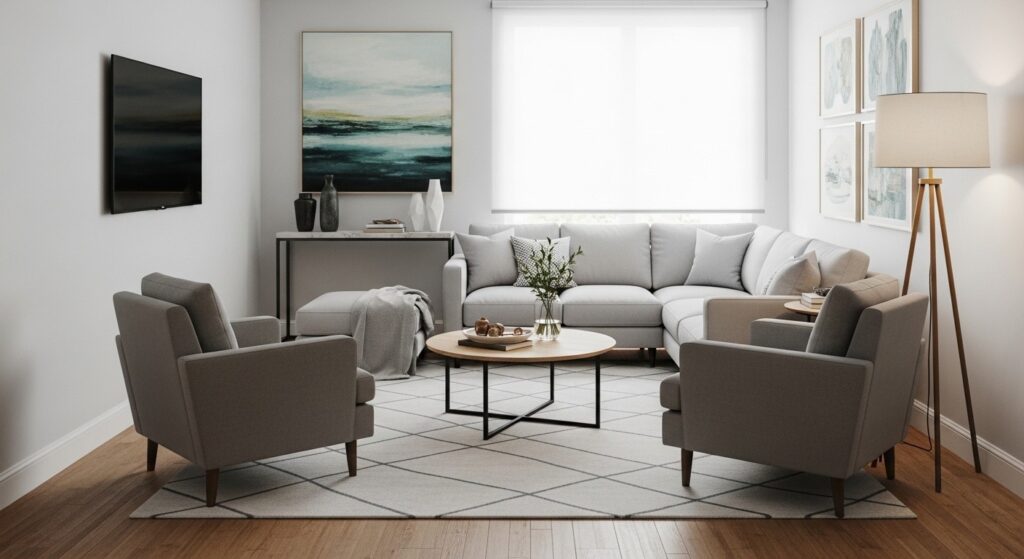
- Avoid sectionals over 100 inches in rooms under 12 feet wide
- Skip floor-skimming sofas — they block light and feel heavy
- Avoid oversized rugs that push right to the walls — they can shrink the perceived room size
- Steer clear of tall, wide entertainment centers that dominate an entire wall
8. Arranging Furniture in a Small Room
Where you place your furniture matters just as much as what you choose. Here’s one of the most counterintuitive tips: don’t push everything against the wall. It seems like it would create more space, but it actually makes a room feel sparse and disconnected. Floating your main seating slightly into the room — even just a few inches — creates a defined, cozy zone that feels intentional rather than empty.
Arrange your seating around a clear focal point: a wall-mounted TV, a fireplace, or a large window. This gives the room a sense of purpose and natural flow. Make sure you can comfortably walk from the room’s entrance to the sofa and from the sofa to any door or window without squeezing or stepping awkwardly around something.
Most designers recommend a clear path of at least 30 inches for primary walkways. In very small rooms, 24 inches is workable, but anything less starts to feel uncomfortable day-to-day. And if you’re struggling to create good flow, consider removing a piece rather than just rearranging. Sometimes one fewer item transforms the whole room.

Common Mistakes to Avoid
Even with the best intentions, small living rooms often go wrong in predictable ways. Here are the five most common ones — and why each makes such a significant difference:
1. Pushing all furniture against the walls. This is the most common beginner mistake. Rather than creating space, it makes the room feel sparse and cavernous. Float your sofa and chairs slightly toward the center to define a cozy, intentional zone.
2. Using oversized furniture. That gorgeous deep sectional might be perfect for a family home, but in a small apartment it becomes the entire room. Always scale your furniture to your space, even if it means choosing a smaller version of something you love.
3. Ignoring vertical space. In compact rooms, the walls above eye level are an untapped resource. Tall shelving, wall-mounted storage, and art hung higher than usual all draw the eye up and make rooms feel considerably taller.
4. Too many small decor items. A collection of tiny objects scattered around a small room creates visual noise and makes the space feel cluttered. Edit ruthlessly. A few meaningful, larger decor pieces always look more considered than dozens of small ones.
5. Poor lighting choices. Relying on a single overhead light makes any room feel flat and smaller than it is. Layering your lighting — a floor lamp, a table lamp, some ambient light — transforms the mood and perceived size of even a very compact space.
Frequently Asked Questions
Q: What is the best sofa for a small living room?
The best sofa for a small living room is one that fits your space proportionally — typically 72–84 inches wide — with raised legs, a slim profile, and a seat depth under 36 inches. A loveseat or compact two-seater is often the smartest choice for genuinely tight spaces, since it leaves room for at least one additional chair or accent piece. Look for lighter upholstery colors, which recede visually and keep the room feeling open. Avoid overstuffed, heavily padded designs with chunky arms — they look great in showrooms but tend to overwhelm compact rooms quickly.
Q: How do I make my small living room look bigger?
The most effective tricks combine furniture selection, color, and lighting. Choose furniture with raised legs, light finishes, and slim profiles to reduce visual weight throughout the room. Use mirrors strategically — a large mirror on one wall can visually double the perceived size of a space. Keep your color palette light and cohesive, especially on walls and large furniture. Layer your lighting so the room feels warm and multidimensional. And resist the urge to fill every surface with decor. Empty space in a small room isn’t wasted — it’s what makes everything else feel considered.
Q: What colors make a small room look larger?
Light, soft neutrals are the classic choice for small rooms — whites, warm creams, soft grays, and pale greiges all reflect light and make walls feel further away than they are. Pale blues and sage greens also work well because they recede visually while adding gentle color and life to a space. The key is to keep your wall color, ceiling, and large furniture pieces in a similar tonal family — this seamless approach creates an expansive, cohesive effect. Dark colors can work too (they create a cozy, enveloping depth), but they require thoughtful lighting to avoid feeling cave-like.
Q: Should I use a rug in a small living room?
Yes — and the most common mistake people make is choosing one that’s too small. A rug that’s undersized makes a room feel disconnected and actually more cramped. In a small living room, choose a rug large enough for the front sofa legs (and ideally all four legs of your seating) to sit on. A well-sized rug defines your seating zone and visually anchors the room, making it feel intentional rather than random. Opt for lower-pile rugs in small spaces — thick, high-pile rugs add visual weight that compact rooms don’t need.
Q: How do I arrange furniture in a small living room?
Start by identifying your room’s focal point — a TV wall, fireplace, or large window — and arrange your primary seating to face it. Float your sofa a few inches away from the wall rather than pushing it flush against it; this counterintuitively makes the room feel more spacious. Keep primary walkways at least 24–30 inches clear, and aim for 18 inches between your sofa and any coffee table. Before buying anything new, use painter’s tape on the floor to map exactly where each piece will go. It’s one of those tricks that sounds simple but genuinely saves you from expensive mistakes.
You’ve Got This — Really
Furnishing a small living room isn’t about settling for less. It’s about choosing more intentionally. When every piece earns its place — fits the scale of the room, serves a real purpose, and adds to the overall sense of openness rather than taking from it — you end up with a space that feels genuinely curated and comfortable. Not cramped. Not cluttered. Just yours.
The fundamentals you’ve picked up here — measuring before buying, choosing furniture with visual lightness, embracing multi-functional pieces, keeping traffic flow clear — will serve you in every small space you ever live in. Start with one good measurement session and a roll of painter’s tape. Everything else will follow.