
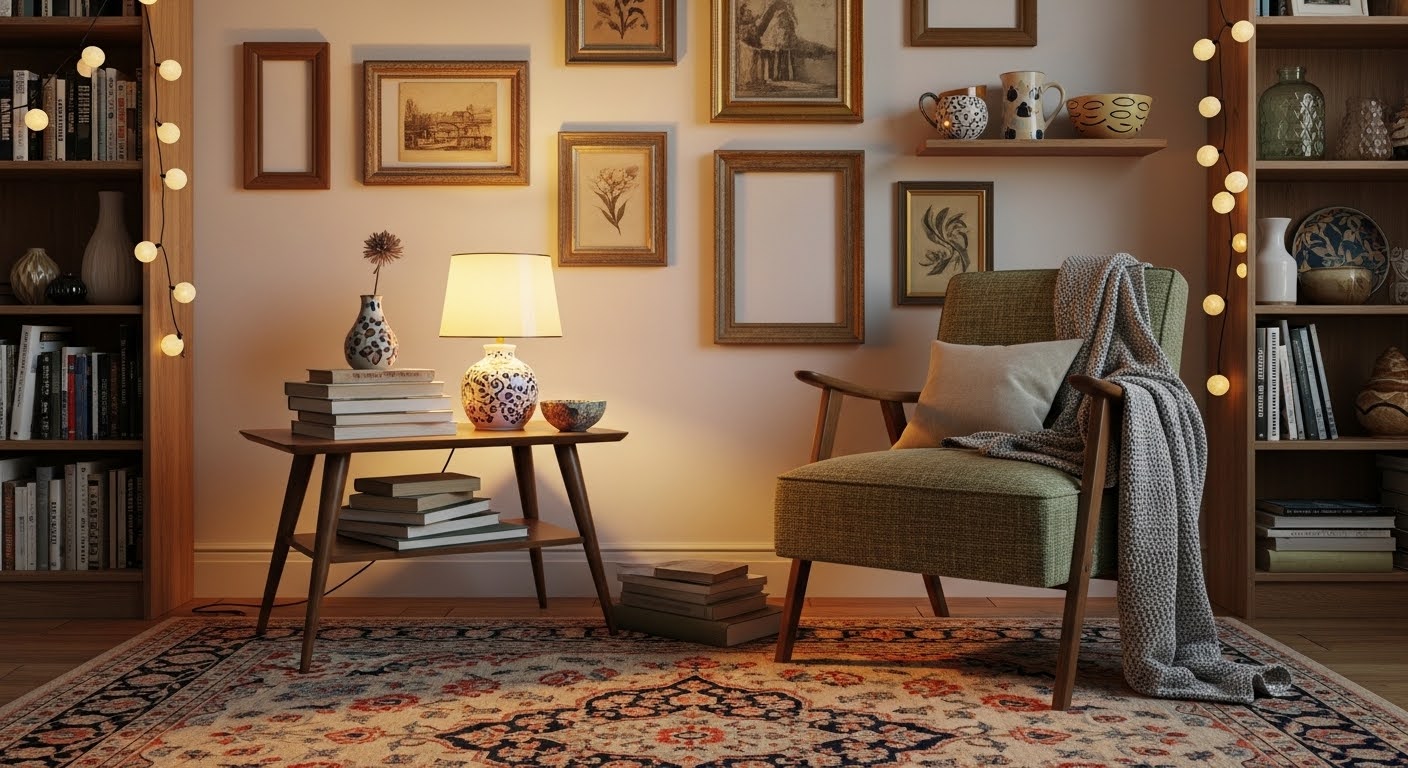
Thrift Store Finds for Living Room: Second-Hand Style
Let me guess — you’ve been staring at your living room for weeks, knowing it needs something, but every time you check furniture prices online, you close the tab. Same. That gap between the room you want and what your budget allows is genuinely frustrating, and it can make you feel like a nice-looking home just isn’t in the cards for you right now.
But here’s what I’ve learned from years of thrifting for my own small apartment: some of the best-looking rooms I’ve ever seen were built almost entirely from secondhand pieces. A $12 side table with fresh paint. A $4 ceramic vase. A mirror someone donated that now anchors a whole wall. None of it cost much — it just took patience, a decent eye, and knowing what to look for.
That’s exactly what this guide is going to give you. We’ll walk through how to shop a thrift store living room the smart way — what furniture is worth picking up, what decor pieces punch way above their price tag, what to absolutely skip, and how to clean and transform what you bring home. By the time you finish reading, you’ll be ready to walk into any thrift store and actually know what you’re doing.
Quick Summary
WHO THIS IS FOR
Budget decorators, DIY beginners, and first-time renters or homeowners
TIME TO READ
6 min
TOP 3 TAKAWAYS
1. What to Look for Thrifting
The biggest mistake people make is walking into a thrift store with no plan and hoping something good jumps out. Sometimes that works. Most of the time, you walk out with a random candle holder and mild regret. Going in with a clear idea of your room — its dimensions, its colors, the general vibe you’re after — completely changes the experience.
Once you’re inside, learn to look past surface stuff. A scratched tabletop, dated hardware, or a lamp shade you’d never keep — none of that matters if the actual piece has good bones. What you’re really checking is whether it’s structurally sound. Solid frame? Sturdy legs? Cushions that haven’t completely given up? Those things you can’t fake. Everything else is fixable.
Also — and this is important — always think about scale first. That beautiful oversized bookshelf might look incredible in the store, but if your living room is a compact apartment space, it’ll make the whole room feel like a storage unit. Know your room’s measurements before you go, and keep them on your phone for quick reference.
Before you put anything in the cart, ask yourself:
- Will it actually fit? Not just through the door — in the room itself.
- Does the frame or structure feel solid when you press on it?
- Is it real wood, or is it particleboard that’s already showing wear?
- Do you love the shape — not just the price?
- Can you update it without a major project? Paint, new hardware, a slipcover?
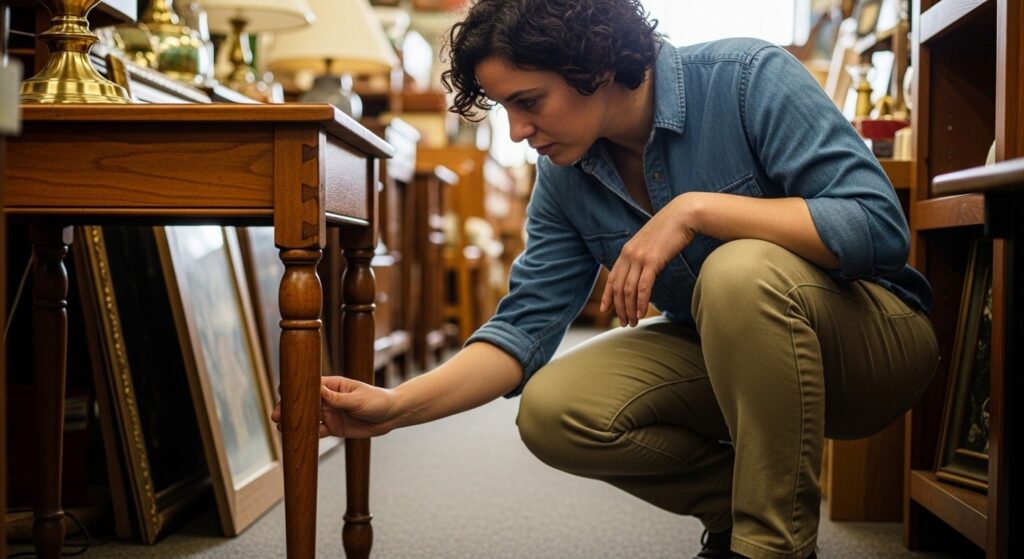
2. Furniture Worth Rescuing
Solid wood furniture is the find you’re always hoping for. A real wood coffee table, side table, bookshelf, or dresser can be sanded, repainted, or restained into something that looks totally intentional — even brand new. Water rings, scratches, a tired old stain? All of that sands away. The bones are what matter, and solid wood has great ones.
Upholstered pieces take a bit more judgment. You’re not just looking at the fabric — you’re looking underneath it. If the frame is hardwood, the cushions still have some support, and the legs are intact, that chair or sofa has real potential. A slipcover or a quick reupholster can completely change the look. Leather and faux leather are especially forgiving because a wipe-down and a little conditioner usually brings them right back.
Don’t overlook the smaller stuff either. Accent chairs, ottomans, and console tables are often incredible thrift store scores. They’re inexpensive, easy to transport, and a single well-placed piece — a freshly painted side table, a reupholstered footstool — can completely change the energy of a room without touching anything else.
Furniture pieces most worth your attention:
- Coffee tables and end tables in solid wood
- Bookshelves, media stands, and open storage units
- Accent chairs — especially ones with removable cushion covers
- Ottomans and upholstered footstools
- Console tables and narrow hallway-style pieces
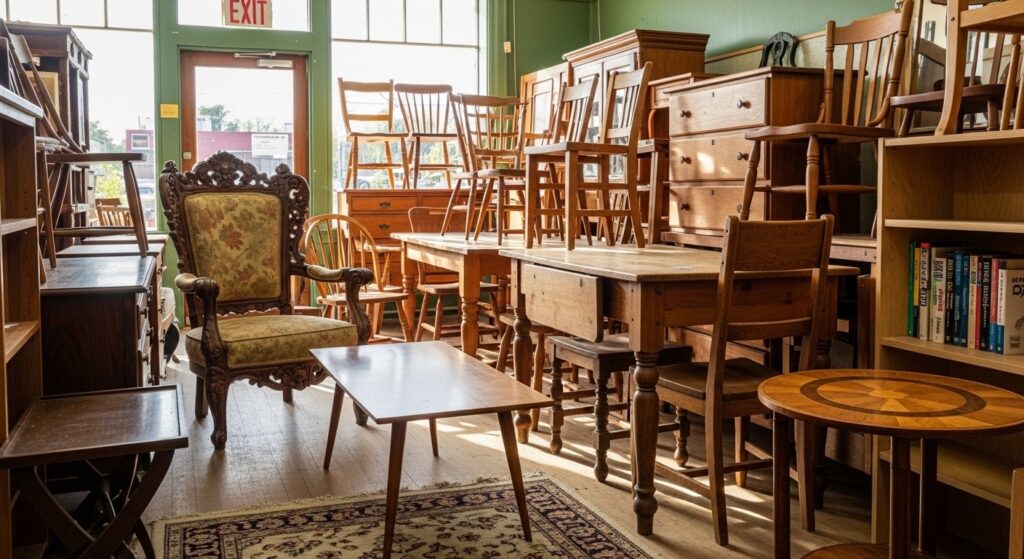
3. Decor Items to Grab
This is honestly where thrifting gets really fun. Decor items are cheap, plentiful, and — unlike furniture — you can grab a few at a time without stressing about whether they’ll fit in your car. Frames, vases, ceramic bowls, woven baskets, trays, candleholders. Thrift stores are full of this stuff. And you don’t need to love any of it as-is; a coat of spray paint or a little chalk paint and suddenly it looks like something you picked up at a market for three times the price.
Art deserves its own mention. A lot of people walk past the painting section without a second glance, and I get it — the actual images are often not your style. But look at the frames. A solid wood frame with good proportions, painted a fresh color or left in its original vintage finish, can anchor a gallery wall beautifully. You can even paint directly over a canvas if you want to create something original.
Textiles are another category worth slowing down for. Throw blankets, curtains, even area rugs pop up at thrift stores regularly. Wash everything before it comes into your home — a good machine wash makes most pieces feel completely new. The quality is often surprisingly high, especially if the item was barely used.
Decor worth adding to your cart:
- Frames and wall art in any size or style — focus on the frame
- Ceramic vases, bowls, and decorative trays
- Woven baskets and wooden storage boxes
- Throw blankets and accent pillows in good condition
- Lamps with an interesting base — replace the shade yourself
- Mirrors, especially large ones or anything with an ornate frame
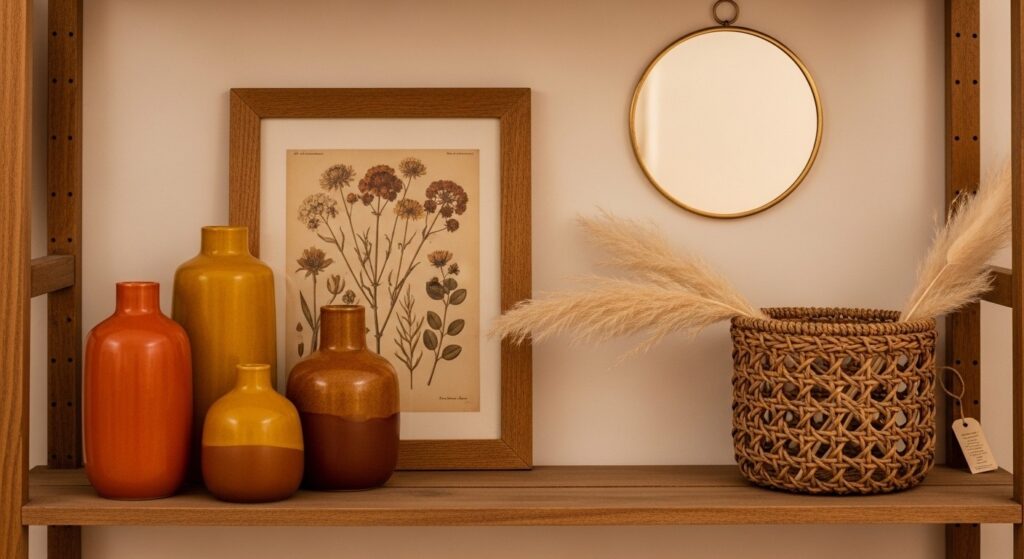
4. What to Skip
Not everything at a thrift store deserves a second chance — at least not in your home. The easiest deal-breaker is smell. If an upholstered piece has a strong, lingering odor the moment you get close — musty, stale, heavy pet smell — walk away. I know it’s hard when the price is right, but odors in fabric are incredibly difficult to fully remove, and you do not want that following you home.
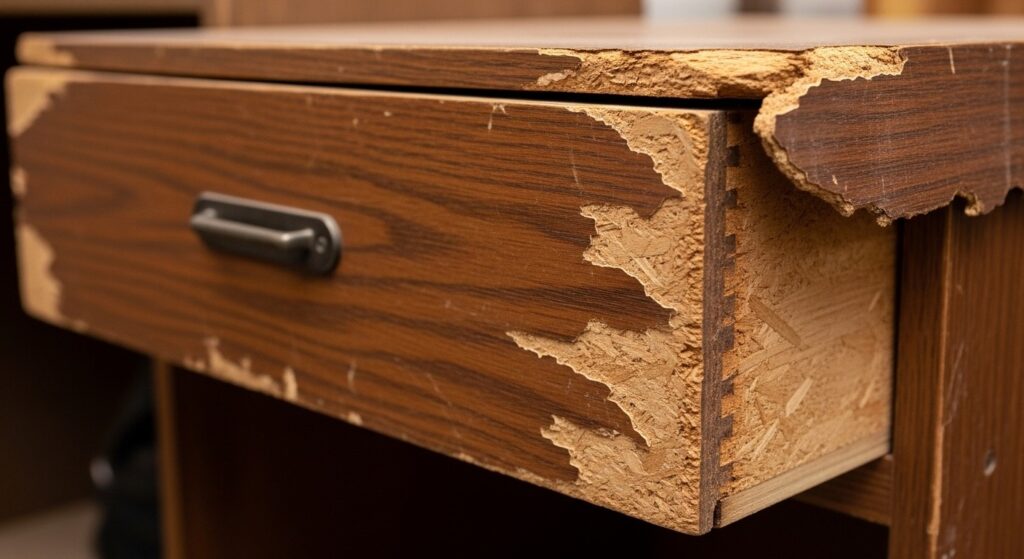
Give particleboard and MDF a hard pass if it’s already starting to fail. You can spot it pretty easily: swelling edges, peeling or bubbling veneer, soft spots in the surface. Unlike solid wood, these materials don’t respond well to refinishing, and once they start to go, there’s no saving them. They might look fine in the store and fall apart six months into regular use.
The same goes for anything with serious structural damage. A chair with a cracked leg, a cabinet with a snapped hinge rail, a drawer frame that’s completely off — these are not quick fixes unless you have real woodworking skills and the right tools. Your time and energy are better spent finding pieces that just need a fresh coat of paint.
Leave these ones on the shelf:
- Anything with a strong, persistent odor that doesn’t air out quickly
- Particleboard or MDF that’s swelling, peeling, or soft
- Furniture with broken or cracked structural components
- Upholstery with visible mold, heavy staining, or signs of moisture damage
- Electrical items you can’t test in the store before buying
5. Cleaning and Prep Tips
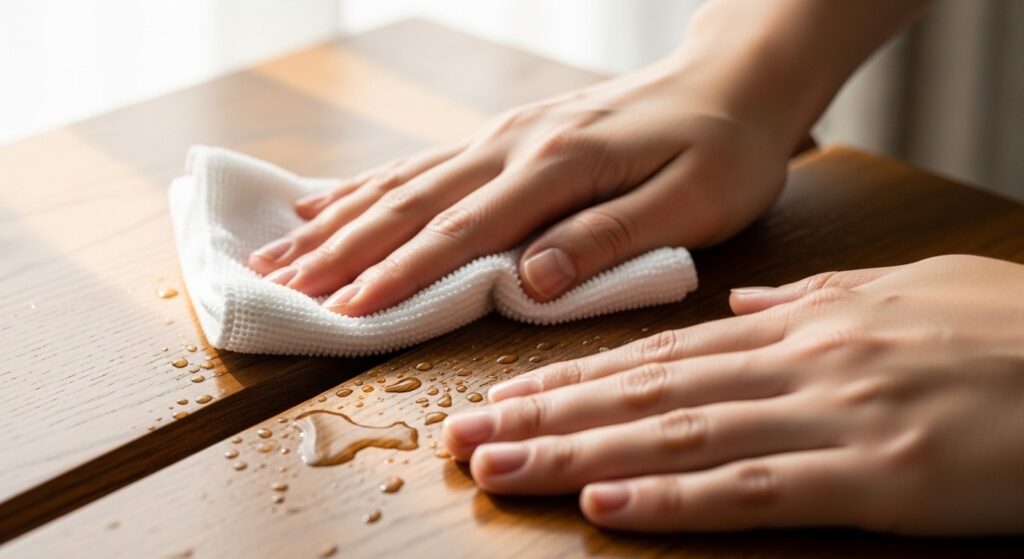
No matter how good something looks in the store, it gets a full clean before it comes inside my home. That’s just the rule. For hard surfaces — wood, metal, ceramic, glass — start with warm soapy water and a cloth, then follow up with whatever cleaner suits the material. Wood conditioner for furniture. Glass cleaner for mirrors and frames. A gentle all-purpose spray for the rest.
Fabric is where you need to be a bit more deliberate. Machine wash anything that has a care tag and can handle it. For pieces that can’t go in the machine, a good fabric spray and an afternoon in the sun works wonders — UV light is a natural deodorizer and does a better job than most sprays. For upholstered furniture, renting a steam cleaner for a day is genuinely worth it. It refreshes the fabric, eliminates odors, and kills bacteria in a single pass.
After everything’s clean, give it a proper look under bright light. This is when you catch the small stuff you missed in the store — a hairline crack, a loose joint, a sticky drawer. Deal with those before you style the piece. A dab of wood glue, a bit of sandpaper, and a new set of hardware can dramatically change how a piece reads in a room.
A simple cleaning checklist to follow:
- Wipe all hard surfaces with warm soapy water before anything else
- Use material-appropriate cleaners for wood, metal, and glass
- Machine wash or steam clean all fabric and upholstered items
- Air pieces out in direct sunlight for natural deodorizing
- Inspect for small repairs before styling — fix them first
6. Upcycling Thrift Finds
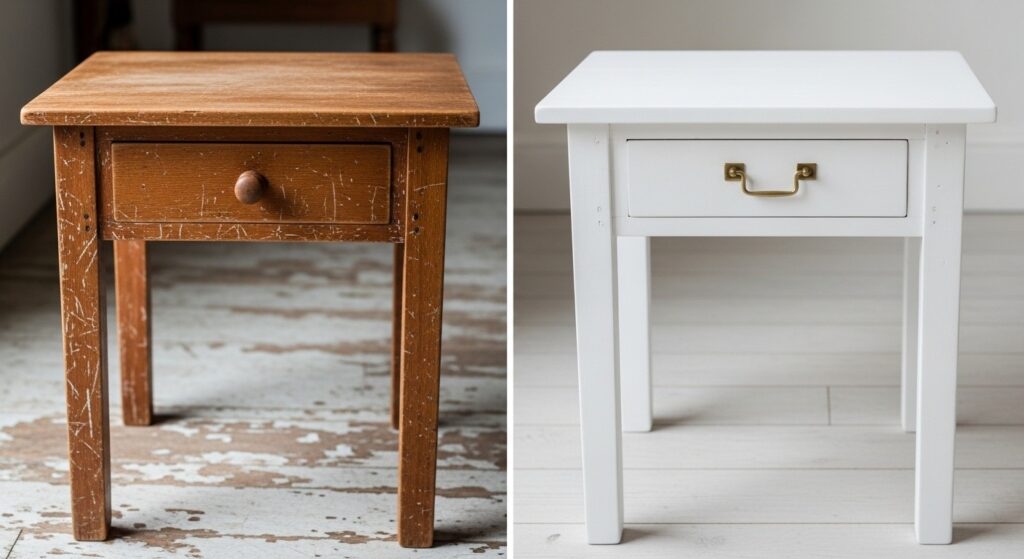
If there’s one product that changed how I approach thrifted furniture, it’s chalk paint. It sticks to almost any surface without priming, dries fast, and comes in so many beautiful matte shades that you could practically build a whole room around a single can. An old side table, a mismatched collection of frames, a tired lamp base — chalk paint pulls everything together and makes it look like you planned it from the start.
After that, hardware swaps are my second favorite trick. Pull the old knobs or drawer pulls off a wooden console or dresser, swap them for something new — brushed gold, matte black, painted ceramic — and the whole piece looks custom. It genuinely looks expensive. The whole process takes maybe 20 minutes, costs a few dollars, and requires nothing more than a screwdriver. It’s one of those updates that feels almost unfairly easy given how much of a difference it makes.
If you want to go a step further, small reupholstery projects are more approachable than they sound. An ottoman top, a removable chair cushion — these are beginner-friendly. You need a staple gun, a small piece of foam, and about half a yard of fabric. There are plenty of tutorials that walk you through the whole thing step by step. Start with something small. The confidence it gives you is worth every minute.
Great starting points for upcycling beginners:
- Chalk paint on wood tables, shelves, and frames
- Spray paint for metal lamp bases and small accessories
- Swapping out hardware on dressers, cabinets, and consoles
- Replacing a lamp shade on a thrifted base
- Reupholstering an ottoman top or a removable chair seat
- Decoupage on small decorative trays or wooden boxes
7. Thrift Store Timing
I’ll be honest — when you go matters. A lot. Most thrift stores put out new donations throughout the week, and weekday mornings are when the freshest items hit the floor. You’re also not competing with weekend browsers who’ve been waiting all week for the same stuff. If your schedule allows even one mid-week morning visit per month, you’ll notice a real difference in what you find.
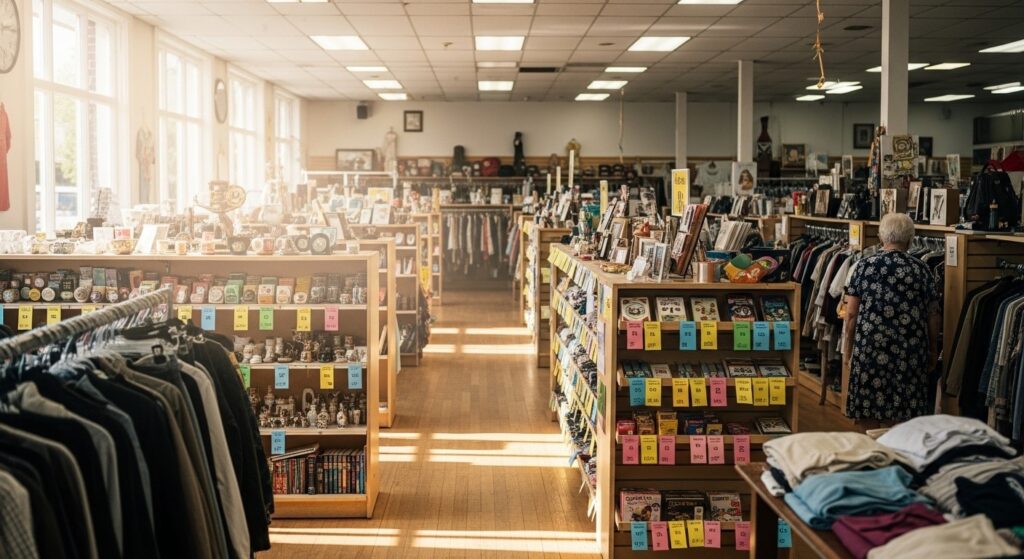
Get to know your local store’s tag rotation system. Most thrift stores use colored price tags and discount them on a rolling weekly schedule — one week it’s yellow tags at half price, the next week blue. Once you figure out the pattern, you can time your bigger furniture visits to land on the right week and get pieces at a significant discount. It takes maybe two or three visits to crack the system.
Estate sales and charity clearance events are also worth putting on your radar. These tend to move large amounts of quality household items quickly, and the prices are usually lower than a standard thrift store visit. Follow your favorite stores on social media — most of them post when sales are coming up, and being first through the door makes a real difference.
How to time your visits for better finds:
- Weekday mornings give you the freshest stock with less competition
- Learn your store’s color-tag discount rotation
- Follow thrift stores on social media for sale announcements
- Keep an eye out for estate sales and charity clearance events
- Visit right after major holidays — donations pick up significantly
Common Mistakes to Avoid
Even people who’ve been thrifting for years make these. Worth knowing before you go.
- Not measuring first. This is the big one. You find a beautiful piece, you buy it on the spot, and then you get home and realize it’s too large for the space — or won’t even make it through the door. Measure your room, your doorways, and the space where the piece will live. Write it down or put it in your phone. It takes five minutes and saves a lot of frustration.
- Ignoring what you already have. Thrifting works best when new pieces work with your existing room — your flooring, wall color, and current furniture. Something that looks amazing in the store can completely clash once it’s home. Before you buy, picture it next to what you already own.
- Following trends instead of your own taste. Whatever’s popular on home decor feeds right now isn’t necessarily right for your space or your life. Buy pieces you genuinely like and that fit how you actually live. Those are the pieces you’ll still love in three years.
- Skipping the planning phase. Wandering into a thrift store with no list and no direction almost always leads to impulse buys you don’t really need. Before every trip, take two minutes to review what your room actually needs. That small habit makes every visit more focused — and more satisfying.
Frequently Asked Questions
What’s the single most important thing to get right in a thrift store living room?
Start with your main anchor piece — the sofa, or a significant chair if that’s the centerpiece of your layout. Everything else in the room takes its cues from that one piece: the scale, the color palette, the general mood. If the anchor works, everything else becomes easier to shop for. And if the anchor is wrong, even the best secondhand finds around it will feel off.
How do I actually get started with secondhand living room decor?
Start with a mood board before you buy anything. It doesn’t have to be fancy — a Pinterest board, a saved folder of screenshots, even a few magazine cutouts will do. Look for patterns in what you keep saving: similar colors, textures, furniture shapes. That pattern is your style. Then take stock of what you already own, decide what stays and what goes, and use the gaps as your shopping list. One or two strong pieces to start beats a cart full of random finds.
What kind of budget do I actually need for a thrift store living room makeover?
Less than you probably think. A meaningful refresh can happen for somewhere between $50 and $300 depending on your room and how much patience you have. Core furniture pieces — coffee tables, side tables, small shelving — generally run anywhere from $10 to $60 at a thrift store. Individual decor items are usually just a few dollars each. Add in paint, hardware, and cleaning supplies and even a room that needs a lot of work is very doable on a modest budget. Give yourself a few months to shop rather than trying to do it all in a weekend — you’ll make much better choices.
How long will this realistically take from start to finish?
Anywhere from a few weeks to a few months, and that’s completely normal. The best thrift finds don’t always show up on your first visit. Building a room you genuinely love from secondhand pieces is a gradual process — you find something, clean it up, style it, see what the room needs next, and go back. Think of it as an ongoing creative project rather than a one-time overhaul. The room gets better with every visit, and that process of discovering and refining is honestly one of the best parts.
Your Thrift Store Living Room Is Closer Than You Think
You don’t need a big budget, a design background, or a perfect plan to start this. You just need to show up at a thrift store with some measurements, a rough sense of your style, and a willingness to look at things with a little imagination. The room you want is absolutely buildable — and most of the pieces are already sitting on a shelf somewhere waiting for you to find them.
Start small on your first visit. One good frame, one interesting side table, one lamp that caught your eye. That’s enough. Build from there, one piece at a time, and give yourself permission to enjoy the process. It’s supposed to be fun. For more ways to make the most of a small decorating budget, check out our guides on Budget Living Room Ideas, Budget Living Room Makeover, and DIY Living Room Decor — there’s a lot more good stuff waiting for you over there.